


- Afhalen na 1 uur in een winkel met voorraad
- Gratis thuislevering in België vanaf € 30
- Ruim aanbod met 7 miljoen producten
- Afhalen na 1 uur in een winkel met voorraad
- Gratis thuislevering in België vanaf € 30
- Ruim aanbod met 7 miljoen producten





€ 124,45
+ 248 punten
Uitvoering
Omschrijving
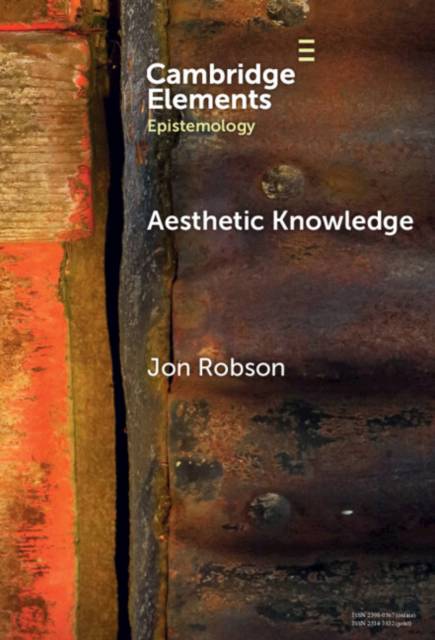
How do we arrive at aesthetic knowledge? This might seem an odd question for philosophers to ask. Some will take its answer to be obvious: we learn about the aesthetic qualities of paintings by looking at them, of musical works by listening to them, and so on. Others will take the question to be misguided, how can there be aesthetic knowledge when aesthetics is merely 'a matter of taste'? Finally, aesthetic knowledge itself might seem singularly unimportant. We don't engage with beautiful artworks to learn that they're beautiful but, rather, to appreciate that beauty. This Element argues that each of these objections is misplaced. Aesthetic knowledge is both valuable and attainable, but canonical philosophical (and folk) views of how we attain it are mistaken. The Element surveys some recent arguments against the reliability of aesthetic perception and in favour of other, more social, sources of aesthetic knowledge.
Specificaties
Betrokkenen
- Auteur(s):
- Uitgeverij:
Inhoud
- Aantal bladzijden:
- 76
- Taal:
- Engels
- Reeks:
Eigenschappen
- Productcode (EAN):
- 9781009571777
- Verschijningsdatum:
- 4/12/2025
- Uitvoering:
- Hardcover
- Formaat:
- Genaaid
- Afmetingen:
- 152 mm x 229 mm
- Gewicht:
- 272 g


Alleen bij Standaard Boekhandel
+ 248 punten op je klantenkaart van Standaard Boekhandel
Cadeau

AANGERADEN


Beoordelingen
We publiceren alleen reviews die voldoen aan de voorwaarden voor reviews. Bekijk onze voorwaarden voor reviews.