


- Afhalen na 1 uur in een winkel met voorraad
- Gratis thuislevering in België vanaf € 30
- Ruim aanbod met 7 miljoen producten
- Afhalen na 1 uur in een winkel met voorraad
- Gratis thuislevering in België vanaf € 30
- Ruim aanbod met 7 miljoen producten





€ 203,95
+ 407 punten
Omschrijving
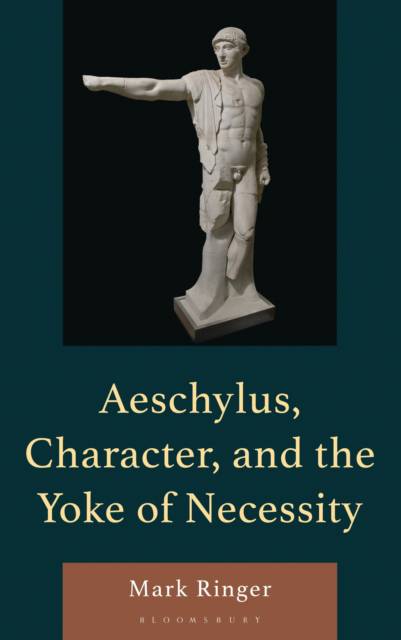
Aeschylus, Character, and the Yoke of Necessity considers the works of Aeschylus in the context of the playwright's handling of dramatic character and the conflict between freedom and compulsion. Aeschylus was an Athenian citizen during the first generation of that polis's democratic system. As such, he and his contemporaries were encountering a kind of free agency unknown before in history. Aeschylus presents the archetype of the "tragedy of character" that will resonate throughout world literature. It is a fascinating and essential component to the conception of his drama that his protagonists each of the six plays find ways of escaping freedom in exchange for a self-imposed spiritual bondage. They "slip [their] necks into the yoke of necessity," to borrow a pivotal line from the Agamemnon. Caught between their individual motives and the unavoidable necessity of their situation, each protagonist handles this conflict in a way that defines the specificity of their character and results in the development of the plot. This book also explores the frequently dominant position of the Aeschylean chorus.
Specificaties
Betrokkenen
- Auteur(s):
- Uitgeverij:
Inhoud
- Aantal bladzijden:
- 224
- Taal:
- Engels
Eigenschappen
- Productcode (EAN):
- 9781666939088
- Verschijningsdatum:
- 4/09/2025
- Uitvoering:
- Hardcover
- Formaat:
- Genaaid
- Afmetingen:
- 152 mm x 229 mm
- Gewicht:
- 462 g


Alleen bij Standaard Boekhandel
+ 407 punten op je klantenkaart van Standaard Boekhandel
AANGERADEN


Beoordelingen
We publiceren alleen reviews die voldoen aan de voorwaarden voor reviews. Bekijk onze voorwaarden voor reviews.