


- Afhalen na 1 uur in een winkel met voorraad
- Gratis thuislevering in België vanaf € 30
- Ruim aanbod met 7 miljoen producten
- Afhalen na 1 uur in een winkel met voorraad
- Gratis thuislevering in België vanaf € 30
- Ruim aanbod met 7 miljoen producten





€ 48,95
+ 97 punten
Omschrijving
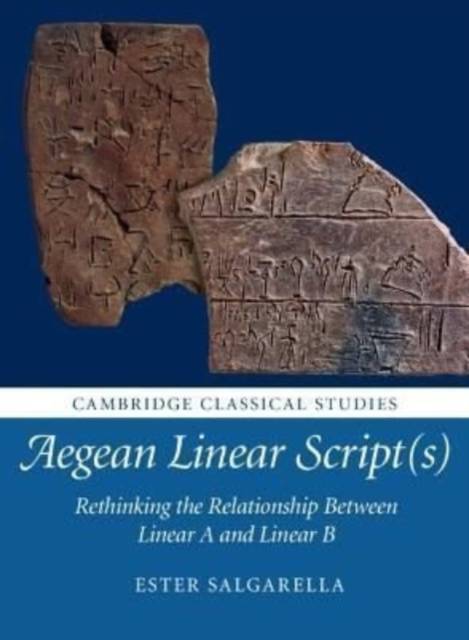
When does a continuum become a divide? This book investigates the genetic relationship between Linear A and Linear B, two Bronze Age scripts attested on Crete and Mainland Greece and understood to have developed one out of the other. By using an interdisciplinary methodology, this research integrates linguistic, epigraphic, palaeographic and archaeological evidence, and places the writing practice in its sociohistorical setting. By challenging traditional views, this work calls into question widespread assumptions and interpretative schemes on the relationship between these two scripts, and opens up new perspectives on the ideology associated with the retention, adaptation and transmission of a script, and how identity was negotiated at a moment of closer societal interaction between Cretans and Greek-speaking Mainlanders in the Late Bronze Age. By delving deeper into the structure and inner workings of these two writing systems, this book will make us rethink the relationship between Linear A and B.
Specificaties
Betrokkenen
- Auteur(s):
- Uitgeverij:
Inhoud
- Aantal bladzijden:
- 438
- Taal:
- Engels
- Reeks:
Eigenschappen
- Productcode (EAN):
- 9781108742672
- Verschijningsdatum:
- 19/05/2022
- Uitvoering:
- Paperback
- Formaat:
- Trade paperback (VS)
- Afmetingen:
- 203 mm x 276 mm
- Gewicht:
- 938 g


Alleen bij Standaard Boekhandel
+ 97 punten op je klantenkaart van Standaard Boekhandel
Cadeau

AANGERADEN


Beoordelingen
We publiceren alleen reviews die voldoen aan de voorwaarden voor reviews. Bekijk onze voorwaarden voor reviews.