


- Afhalen na 1 uur in een winkel met voorraad
- Gratis thuislevering in België vanaf € 30
- Ruim aanbod met 7 miljoen producten
- Afhalen na 1 uur in een winkel met voorraad
- Gratis thuislevering in België vanaf € 30
- Ruim aanbod met 7 miljoen producten





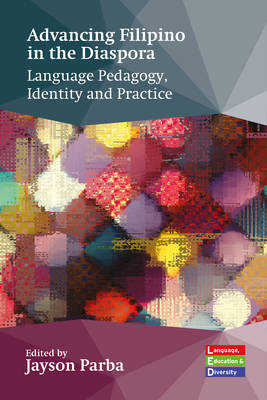
Advancing Filipino in the Diaspora
Language Pedagogy, Identity and Practice
€ 241,95
+ 483 punten
Omschrijving
Challenges monolingual and nationalist language frameworks, advocating instead for translingual and diasporic perspectives
This edited volume examines Filipino language education across diaspora contexts, exploring how migration and sociopolitical conditions shape language use, identity, teaching and maintenance. Addressing a major gap in heritage language education and applied linguistics, it foregrounds the underrepresented work of Filipino language educators and highlights grassroots, community-driven work. It challenges native speakerism and monolingual ideologies to promote more inclusive, dynamic and translingual approaches to Filipino as a diasporic and evolving language, not confined to homeland or Tagalog-centric norms. Through sections on theoretical framing, identity and classroom pedagogy, the book highlights innovative teaching practices, community engagement and the evolving, lived realities of Filipino language across global contexts. It underscores the vitality of Filipino language in the diaspora and will be of interest to language educators, researchers and activists in Filipino language education, sociolinguistics and Philippine studies.
Specificaties
Betrokkenen
- Uitgeverij:
Inhoud
- Aantal bladzijden:
- 272
- Taal:
- Engels
- Reeks:
- Reeksnummer:
- nr. 9
Eigenschappen
- Productcode (EAN):
- 9781788921329
- Verschijningsdatum:
- 17/11/2026
- Uitvoering:
- Hardcover
- Formaat:
- Genaaid
- Afmetingen:
- 156 mm x 234 mm

Alleen bij Standaard Boekhandel
+ 483 punten op je klantenkaart van Standaard Boekhandel
Cadeau

AANGERADEN


Beoordelingen
We publiceren alleen reviews die voldoen aan de voorwaarden voor reviews. Bekijk onze voorwaarden voor reviews.