


- Afhalen na 1 uur in een winkel met voorraad
- Gratis thuislevering in België vanaf € 30
- Ruim aanbod met 7 miljoen producten
- Afhalen na 1 uur in een winkel met voorraad
- Gratis thuislevering in België vanaf € 30
- Ruim aanbod met 7 miljoen producten





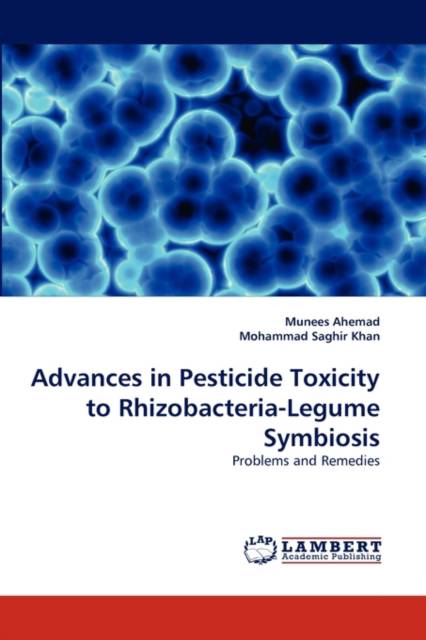
Advances in Pesticide Toxicity to Rhizobacteria-Legume Symbiosis
Problems and Remedies
Munees Ahemad, Mohammad Saghir Khan
Paperback | Engels
€ 77,95
+ 155 punten
Omschrijving
In modern agronomic opertaions, pesticides are used globally to prevent/kill the organisms causing detrimental effects on crop plants. After application, a large portion of pesticides persists in soils and poses a major threat to both soil- microbial diversity of plant-growth-promoting- rhizobacteria (PGPR)including their plant-beneficial physiological activities and productivity of many agronomically important crops. Although, a lot of information on the toxic effects of pesticides on various legumes is available, there is however, a large inconsistency in the reported results. Consequently, it becomes difficult to draw a firm conclusion about the actual effects of pesticides on legumes and their respective symbiotic partners. This book presents the findings concerning the parallel study of a wide array of pesticides belonging to diverse chemical groups on legumes and rhizobacteria isolated from different legume and non- legume rhizospheres. This book also reveals a novel approach to enhance the performance and efficiency of legume crops like chickpea, pea, greengram and lentil grown in pesticide-stresses soils.
Specificaties
Betrokkenen
- Auteur(s):
- Uitgeverij:
Inhoud
- Aantal bladzijden:
- 272
- Taal:
- Engels
Eigenschappen
- Productcode (EAN):
- 9783838386133
- Verschijningsdatum:
- 19/07/2010
- Uitvoering:
- Paperback
- Afmetingen:
- 152 mm x 229 mm
- Gewicht:
- 374 g


Alleen bij Standaard Boekhandel
+ 155 punten op je klantenkaart van Standaard Boekhandel
Cadeau

AANGERADEN


Beoordelingen
We publiceren alleen reviews die voldoen aan de voorwaarden voor reviews. Bekijk onze voorwaarden voor reviews.