


- Afhalen na 1 uur in een winkel met voorraad
- Gratis thuislevering in België vanaf € 30
- Ruim aanbod met 7 miljoen producten
- Afhalen na 1 uur in een winkel met voorraad
- Gratis thuislevering in België vanaf € 30
- Ruim aanbod met 7 miljoen producten





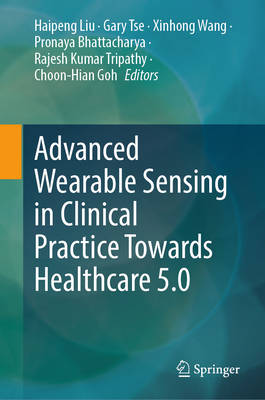
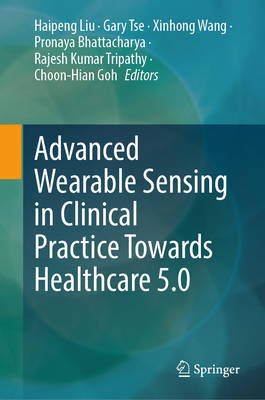
Advanced Wearable Sensing in Clinical Practice Towards Healthcare 5.0
Haipeng Liu, Gary Tse
Hardcover | Engels
€ 194,95
+ 389 punten
Omschrijving
The book "Advanced wearable sensing in clinical practice towards healthcare 5.0" provides an overview of the state of the art that caters various professionals from clinical, scientific, and engineering backgrounds, as well as the novices that are interested in wearable sensing technology. It presents a comprehensive overview of modern wearable technology and unmet challenges. The book covers research hotspots in wearable technology, including advanced materials, low-cost wearable sensing systems, bio-signal processing, multimodal data analysis, artificial intelligence, and internet-of-medical-things. The readers from various research backgrounds (e.g., biomedical engineering, artificial intelligence, material sciences, etc.) can get an in-depth understanding of current trends and future directions. It summarizes different technologies regarding the clinical needs, theoretical basis, latest technical innovations, challenges in implementation, and limitations. These details will help improve existing designs and algorithms to cater different application scenarios. The book also provides the details of the implementation of advanced wearable sensors in different clinical settings including population screening, clinical diagnosis, to remote healthcare monitoring. The targeted diseases include cardiovascular, neurological, respiratory, metabolic, and other chronic diseases. By analyzing relevant standards and regulations, the challenges for next-generation wearable sensors are discussed in the context of healthcare ecosystem from a perspective of healthcare 5.0. In summary, the book focus on technical innovations but also delves into clinical and regulatory aspects. It caters a broad spectrum of readers. Clinical researchers, healthcare professionals, and students can obtain a better grasp of current trends of wearable technology. Biomedical engineers can understand the clinical needs, the state of the art, and the challenges in implementation, to develop better wearable sensors and algorithms for signal processing and data analysis. Public health researchers and policymakers can update the regulations and clinical guidelines to enable the integration of advanced wearable sensing technologies into current healthcare ecosystems.
Specificaties
Betrokkenen
- Auteur(s):
- Uitgeverij:
Inhoud
- Aantal bladzijden:
- 278
- Taal:
- Engels
Eigenschappen
- Productcode (EAN):
- 9783032199836
- Verschijningsdatum:
- 2/07/2026
- Uitvoering:
- Hardcover
- Formaat:
- Genaaid
- Afmetingen:
- 155 mm x 235 mm


Alleen bij Standaard Boekhandel
+ 389 punten op je klantenkaart van Standaard Boekhandel
Cadeau

AANGERADEN


Beoordelingen
We publiceren alleen reviews die voldoen aan de voorwaarden voor reviews. Bekijk onze voorwaarden voor reviews.