


- Afhalen na 1 uur in een winkel met voorraad
- Gratis thuislevering in België vanaf € 30
- Ruim aanbod met 7 miljoen producten
- Afhalen na 1 uur in een winkel met voorraad
- Gratis thuislevering in België vanaf € 30
- Ruim aanbod met 7 miljoen producten





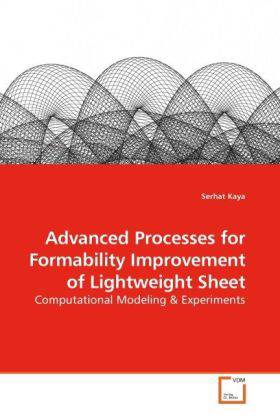
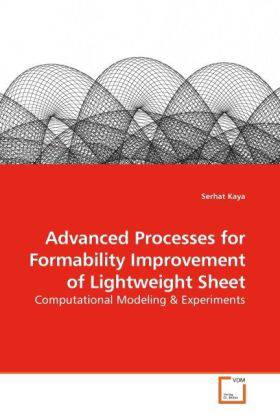
Advanced Processes for Formability Improvement of Lightweight Sheet
Computational Modeling
Serhat Kaya
Paperback | Engels
€ 82,45
+ 164 punten
Eenvoudig bestellen
Veilig betalen


Gratis thuislevering vanaf € 30 (via bpost)
Gratis levering in je Standaard Boekhandel
Omschrijving
This book is the ideal resource for researchers and engineers concerned about advanced testing methods and advanced processes related to formability improvement of lightweight metals such as aluminum and magnesium. Weight reduction is one of the major goals in the automotive, aerospace, appliance and electronics industries. Reduction in weight means less consumption of oil and decrease in harmful greenhouse gases. One way of achieving this goal is to use lightweight alloys such as aluminum and magnesium that have high strength to weight ratios. However, due to aluminum s and magnesium s limited formability at room temperature, advanced forming processes are needed. In this book, mechanical behavior of aluminum and magnesium alloy sheet is discussed through room/elevated temperature bulge testing. Room and elevated temperature hydroforming of these alloys are investigated. Elevated temperature deep drawing of aluminum and magnesium is studied by deploying a servo motor controlled press and unique experimental results are provided. Significant advantages that these techniques offer are demonstrated using advanced computer modeling techniques and physical experimentation.
Specificaties
Betrokkenen
- Auteur(s):
- Uitgeverij:
Inhoud
- Aantal bladzijden:
- 156
- Taal:
- Engels
Eigenschappen
- Productcode (EAN):
- 9783639232493
- Verschijningsdatum:
- 29/01/2010
- Uitvoering:
- Paperback
- Afmetingen:
- 150 mm x 220 mm
- Gewicht:
- 251 g


Alleen bij Standaard Boekhandel
+ 164 punten op je klantenkaart van Standaard Boekhandel
CADEAU

AANGERADEN


Beoordelingen
We publiceren alleen reviews die voldoen aan de voorwaarden voor reviews. Bekijk onze voorwaarden voor reviews.