


- Afhalen na 1 uur in een winkel met voorraad
- Gratis thuislevering in België vanaf € 30
- Ruim aanbod met 7 miljoen producten
- Afhalen na 1 uur in een winkel met voorraad
- Gratis thuislevering in België vanaf € 30
- Ruim aanbod met 7 miljoen producten





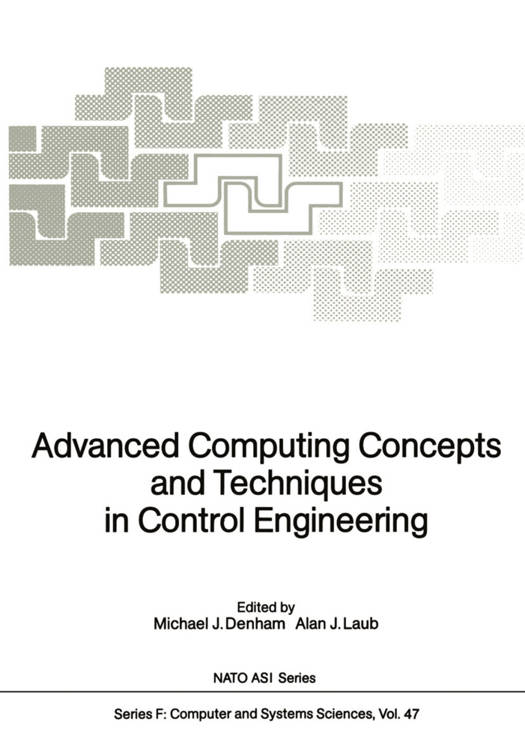
Advanced Computing Concepts and Techniques in Control Engineering
€ 83,95
+ 167 punten
Omschrijving
Computational concepts and techniques have always played a major role in control engineering since the first computer-based control systems were put into operation over twenty years ago. This role has in fact been accelerating over the intervening years as the sophistication of the computing methods and tools available, as well as the complexity of the control problems they have been used to solve, have also increased. In particular, the introduction of the microprocessor and its use as a low-cost computing element in a distributed computer control system has had a profound effect on the way in which the design and implementation of a control system is carried out and, to some extent, on the theory which underlies the basic design strategies. The development of interactive computing has encouraged a substantial growth in the use of computer- aided design methods and robust and efficient numerical algorithms have been produced to support these methods. Major advances have also taken place in the languages used for control system implementation, notably the recent introduction of Ada'", a language whose design is based on some very fundamental computer science concepts derived and developed over the past decade. With the extremely high rate of change in the field of computer science, the more recent developments have outpaced their incorporation into new control system design and implementation techniques.
Specificaties
Betrokkenen
- Uitgeverij:
Inhoud
- Aantal bladzijden:
- 518
- Taal:
- Engels
- Reeks:
- Reeksnummer:
- nr. 47
Eigenschappen
- Productcode (EAN):
- 9783642835506
- Verschijningsdatum:
- 3/10/2013
- Uitvoering:
- Paperback
- Formaat:
- Trade paperback (VS)
- Afmetingen:
- 170 mm x 244 mm
- Gewicht:
- 843 g

Alleen bij Standaard Boekhandel
+ 167 punten op je klantenkaart van Standaard Boekhandel
AANGERADEN


Beoordelingen
We publiceren alleen reviews die voldoen aan de voorwaarden voor reviews. Bekijk onze voorwaarden voor reviews.