


- Afhalen na 1 uur in een winkel met voorraad
- Gratis thuislevering in België vanaf € 30
- Ruim aanbod met 7 miljoen producten
- Afhalen na 1 uur in een winkel met voorraad
- Gratis thuislevering in België vanaf € 30
- Ruim aanbod met 7 miljoen producten





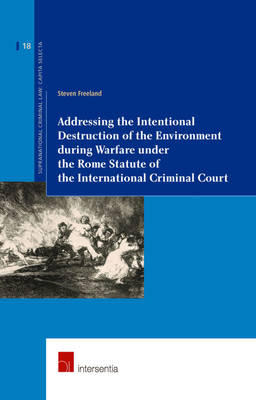
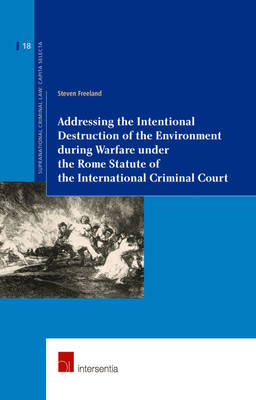
Addressing the Intentional Destruction of the Environment During Warfare Under the Rome Statute of the International Criminal Court
Volume 18
Steven Freeland
€ 86,00
+ 172 punten
Omschrijving
Acts perpetrated during the course of warfare have, through the ages, led to significant environmental destruction. These have included situations where the natural environment has intentionally been targeted as a 'victim', or has somehow been manipulated to serve as a 'weapon' of warfare. Until recently, such acts were generally regarded as an unfortunate but unavoidable element of armed conflict, despite their potentially disastrous impacts. The existing international rules have largely been ineffective and inappropriate, and have in practical terms done little to deter deliberate environmental destruction, particularly when measured against perceived military advantages. However, as the significance of the environment has come to be more widely understood and recognised, this is no longer acceptable, particularly given the ongoing development of weapons capable of widespread and significant damage. This book therefore examines the current international legal regime relevant to the intentional destruction of the environment during warfare, and argues that such acts should, in appropriate circumstances, be recognised as an international crime and should be subject to more effective rules giving rise to international criminal responsibility. It also suggests a framework within the Rome Statute of the International Criminal Court as to how this might be achieved.
Specificaties
Betrokkenen
- Auteur(s):
- Uitgeverij:
Inhoud
- Aantal bladzijden:
- 354
- Taal:
- Engels
- Reeks:
Eigenschappen
- Productcode (EAN):
- 9781780683140
- Verschijningsdatum:
- 10/06/2015
- Uitvoering:
- Paperback
- Formaat:
- Trade paperback (VS)
- Afmetingen:
- 160 mm x 240 mm
- Gewicht:
- 557 g


Alleen bij Standaard Boekhandel
+ 172 punten op je klantenkaart van Standaard Boekhandel
Cadeau

AANGERADEN


Beoordelingen
We publiceren alleen reviews die voldoen aan de voorwaarden voor reviews. Bekijk onze voorwaarden voor reviews.