


- Afhalen na 1 uur in een winkel met voorraad
- Gratis thuislevering in België vanaf € 30
- Ruim aanbod met 7 miljoen producten
- Afhalen na 1 uur in een winkel met voorraad
- Gratis thuislevering in België vanaf € 30
- Ruim aanbod met 7 miljoen producten





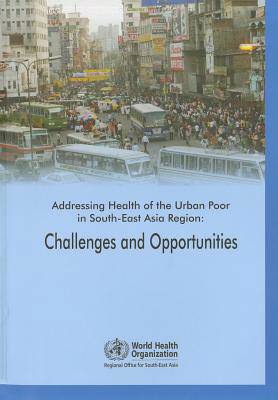
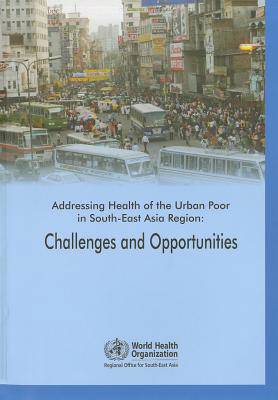
Addressing Health of the Urban Poor in South-East Asia Region
Challenges and Opportunities
Who Regional Office for South-East Asia
Paperback | Engels
€ 18,45
+ 36 punten
Omschrijving
One of the challenges of the 21st century is managing the accelerating pace of urbanization. Projections suggest that by the year 2030, six out of ten people all over the world will live in cities. By 2050 this proportion is likely to reach 70 per cent. Most of the growth in urban population will occur in Asia, Africa and Latin America. Currently, the urban population in South-East Asia is estimated to be about 600 million, of about 150 million are estimated to be poor.
In the wake of the often unplanned and unregulated urbanization, the urban poor face physical, environmental, social and psychological problems which impose a heavy burden of disease and inequity. There is an urgent need to identify biological, socio-cultural and financial determinants of health inequity in the urban poor in order to mount a multisectoral effort to address the health concerns of this burgeoning disadvantaged section of the population.
This publication provides an overview of the health of the urban poor in member-states of the WHO South-East Asia region. It describes the socio-cultural factors that impact their health and challenges in health programming for the urban poor and proposes a strategic framework of multisectoral action to address issues related to access and equity in health for the urban poor in South-East Asia.
In the wake of the often unplanned and unregulated urbanization, the urban poor face physical, environmental, social and psychological problems which impose a heavy burden of disease and inequity. There is an urgent need to identify biological, socio-cultural and financial determinants of health inequity in the urban poor in order to mount a multisectoral effort to address the health concerns of this burgeoning disadvantaged section of the population.
This publication provides an overview of the health of the urban poor in member-states of the WHO South-East Asia region. It describes the socio-cultural factors that impact their health and challenges in health programming for the urban poor and proposes a strategic framework of multisectoral action to address issues related to access and equity in health for the urban poor in South-East Asia.
Specificaties
Betrokkenen
- Auteur(s):
- Uitgeverij:
Inhoud
- Aantal bladzijden:
- 120
- Taal:
- Engels
Eigenschappen
- Productcode (EAN):
- 9789290223993
- Verschijningsdatum:
- 1/11/2011
- Uitvoering:
- Paperback
- Formaat:
- Trade paperback (VS)
- Afmetingen:
- 208 mm x 292 mm
- Gewicht:
- 657 g


Alleen bij Standaard Boekhandel
+ 36 punten op je klantenkaart van Standaard Boekhandel

Beoordelingen
We publiceren alleen reviews die voldoen aan de voorwaarden voor reviews. Bekijk onze voorwaarden voor reviews.