


- Afhalen na 1 uur in een winkel met voorraad
- Gratis thuislevering in België vanaf € 30
- Ruim aanbod met 7 miljoen producten
- Afhalen na 1 uur in een winkel met voorraad
- Gratis thuislevering in België vanaf € 30
- Ruim aanbod met 7 miljoen producten





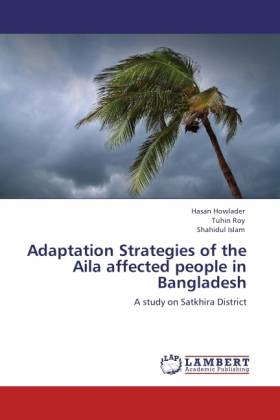
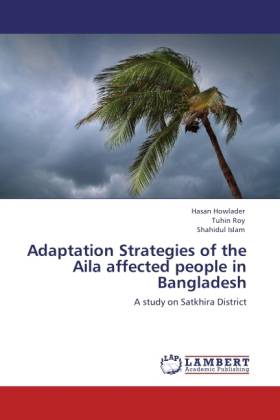
Adaptation Strategies of the Aila affected people in Bangladesh
A study on Satkhira District
Hasan Howlader, Tuhin Roy, Shahidul Islam
Paperback | Engels
€ 48,45
+ 96 punten
Omschrijving
Bangladesh is one of the most disaster prone countries in the world. Unique geographic location coupled with climate change impacts has made Bangladesh one of the worst victims to natural disasters. Every year different natural disasters hit in Bangladesh. Cyclone Aila is one of such type of natural disasters that hit the south-western coast of Bangladesh on 25 May 2009. It has destroyed huge amounts of agriculture and livestock in southern part of Bangladesh making people vulnerable. People have become homelessness and do not know where will be their destination. Damage of agriculture, livestock, house, morbidity and mortality of animal etc. has already touched the saturation point. The affected people do not have any idea to the changing situations. They are now searching new strategies to be copped them with the changed environment. Low meal taking, early marriage, late start of education and dropout, migration and so on are taken in consideration as adaptation strategies.
Specificaties
Betrokkenen
- Auteur(s):
- Uitgeverij:
Inhoud
- Aantal bladzijden:
- 68
- Taal:
- Engels
Eigenschappen
- Productcode (EAN):
- 9783846511589
- Verschijningsdatum:
- 27/09/2011
- Uitvoering:
- Paperback
- Afmetingen:
- 152 mm x 229 mm
- Gewicht:
- 113 g


Alleen bij Standaard Boekhandel
+ 96 punten op je klantenkaart van Standaard Boekhandel
Cadeau

AANGERADEN


Beoordelingen
We publiceren alleen reviews die voldoen aan de voorwaarden voor reviews. Bekijk onze voorwaarden voor reviews.