


- Afhalen na 1 uur in een winkel met voorraad
- Gratis thuislevering in België vanaf € 30
- Ruim aanbod met 7 miljoen producten
- Afhalen na 1 uur in een winkel met voorraad
- Gratis thuislevering in België vanaf € 30
- Ruim aanbod met 7 miljoen producten





€ 98,45
+ 196 punten
Omschrijving
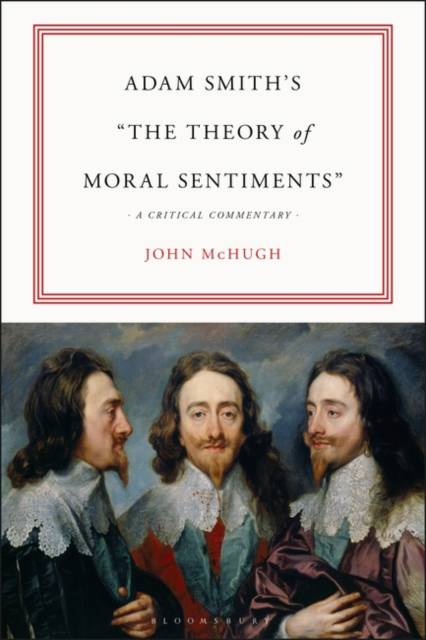
Many contemporary readers are just now discovering Adam Smith's The Theory of Moral Sentiments (TMS). It is increasingly being recognised as a foundational text in moral philosophy and in Adam Smith's oeuvre more generally. This is the first companion to guide readers through TMS and uncover what Smith thinks, why he thinks it, why he might be wrong to think it!
While Adam Smith is best known for a Wealth of Nations there is a history of seriously misinterpreting this text as an unnuanced celebration of unfettered capitalism. The Theory of Moral Sentiments is a kind of corrective to these naïve readings. As such, any serious consideration of Adam Smith's work should also include TMS. John McHugh's guide provides detailed analysis of TMS while never losing sight of the text in the context of Smith's writings and world view more generally. It offers both an introduction to the importance and insight of TMS while also functioning as a great way in to Adam Smith as a philosopher.Specificaties
Betrokkenen
- Auteur(s):
- Uitgeverij:
Inhoud
- Aantal bladzijden:
- 384
- Taal:
- Engels
Eigenschappen
- Productcode (EAN):
- 9781350268098
- Verschijningsdatum:
- 19/10/2023
- Uitvoering:
- Paperback
- Formaat:
- Trade paperback (VS)
- Afmetingen:
- 156 mm x 234 mm
- Gewicht:
- 539 g


Alleen bij Standaard Boekhandel
+ 196 punten op je klantenkaart van Standaard Boekhandel
Cadeau

AANGERADEN


Beoordelingen
We publiceren alleen reviews die voldoen aan de voorwaarden voor reviews. Bekijk onze voorwaarden voor reviews.