


- Afhalen na 1 uur in een winkel met voorraad
- Gratis thuislevering in België vanaf € 30
- Ruim aanbod met 7 miljoen producten
- Afhalen na 1 uur in een winkel met voorraad
- Gratis thuislevering in België vanaf € 30
- Ruim aanbod met 7 miljoen producten





€ 70,95
+ 141 punten
Uitvoering
Eenvoudig bestellen
Veilig betalen


Gratis thuislevering vanaf € 30 (via bpost)
Gratis levering in je Standaard Boekhandel
Omschrijving
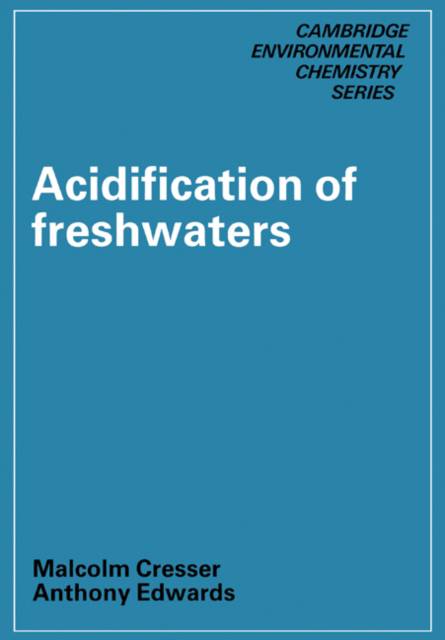
First published in 1987, this book examines the numerous interacting physical, chemical and biological processes which regulate the acidity of freshwaters. Natural acidification processes are considered first, the the effects of acidifying pollutant inputs from the atmosphere and of other human activities. The relative importance of the different processes is critically examined. Concepts incorporated are drawn from chemistry, physics, geology, hydrology, plant science and forestry, soil science, microbiology and meteorology. The authors have attempted to thread the relevant information together to make a coherent story which should be understandable and useful to readers from a number of disciplines: undergraduates and postgraduates studying environmental science, ecology, water quality and hydrogeochemistry; politicians and managers concerned with pollution control. Indeed, most of the text should be understandable to well-informed non-scientists who want (or need) a better grasp of this fascinating and important topic.
Specificaties
Betrokkenen
- Auteur(s):
- Uitgeverij:
Inhoud
- Aantal bladzijden:
- 146
- Taal:
- Engels
- Reeks:
- Reeksnummer:
- nr. 2
Eigenschappen
- Productcode (EAN):
- 9780521158367
- Verschijningsdatum:
- 27/10/2011
- Uitvoering:
- Paperback
- Formaat:
- Trade paperback (VS)
- Afmetingen:
- 170 mm x 244 mm
- Gewicht:
- 244 g


Alleen bij Standaard Boekhandel
+ 141 punten op je klantenkaart van Standaard Boekhandel
CADEAU

AANGERADEN


Beoordelingen
We publiceren alleen reviews die voldoen aan de voorwaarden voor reviews. Bekijk onze voorwaarden voor reviews.