



- Afhalen na 1 uur in een winkel met voorraad
- In januari gratis thuislevering in België
- Ruim aanbod met 7 miljoen producten
- Afhalen na 1 uur in een winkel met voorraad
- In januari gratis thuislevering in België
- Ruim aanbod met 7 miljoen producten





€ 196,45
+ 392 punten
Omschrijving
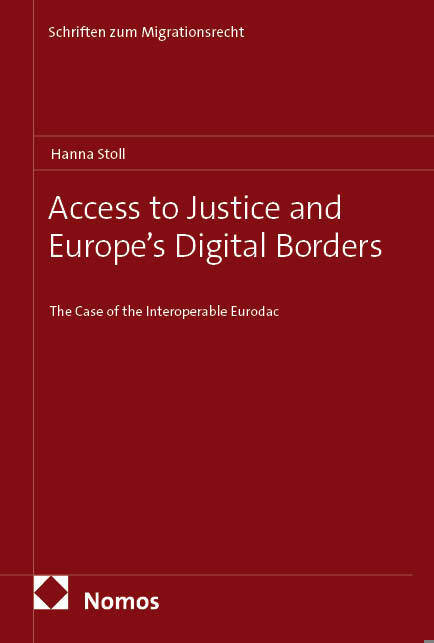
As Europe's migration system becomes increasingly digital, vast amounts of biometric and personal data are collected and shared across interconnected EU databases. But how can an asylum seeker or irregular migrant access, correct, or erase their data within this complex web? This book explores access to justice in the interoperable Eurodac system, examining rights to information, data access, rectification, erasure, and effective remedy. It highlights key data protection and due process challenges in this digitised system and extends the analysis beyond the EU, considering implementation in Schengen/Dublin-associated states like Switzerland and developments in EU accession countries integrated into the EU's migration data framework.
Specificaties
Betrokkenen
- Auteur(s):
- Uitgeverij:
Inhoud
- Taal:
- Engels
- Reeks:
- Reeksnummer:
- nr. 53
Eigenschappen
- Productcode (EAN):
- 9783756035489
- Uitvoering:
- Paperback
- Afmetingen:
- 153 mm x 227 mm
- Gewicht:
- 794 g


Alleen bij Standaard Boekhandel
+ 392 punten op je klantenkaart van Standaard Boekhandel
Cadeau

AANGERADEN


Beoordelingen
We publiceren alleen reviews die voldoen aan de voorwaarden voor reviews. Bekijk onze voorwaarden voor reviews.