


- Afhalen na 1 uur in een winkel met voorraad
- Gratis thuislevering in België vanaf € 30
- Ruim aanbod met 7 miljoen producten
- Afhalen na 1 uur in een winkel met voorraad
- Gratis thuislevering in België vanaf € 30
- Ruim aanbod met 7 miljoen producten





€ 50,95
+ 101 punten
Eenvoudig bestellen
Veilig betalen


Gratis thuislevering vanaf € 30 (via bpost)
Gratis levering in je Standaard Boekhandel
Omschrijving
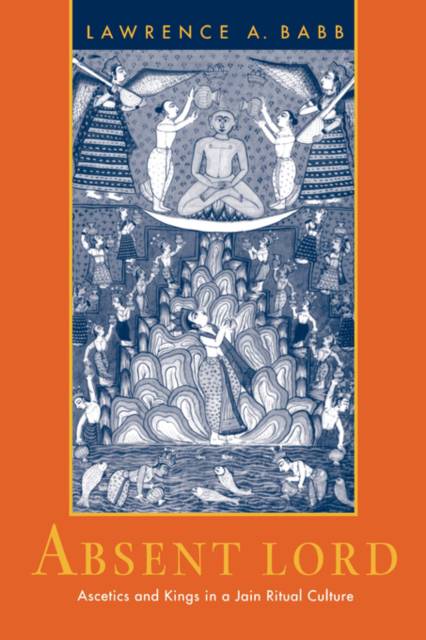
What does it mean to worship beings that one believes are completely indifferent to, and entirely beyond the reach of, any form of worship whatsoever? How would such a relationship with sacred beings affect the religious life of a community? Using these questions as his point of departure, Lawrence A. Babb explores the ritual culture of image-worshipping Svetambar Jains of the western Indian states of Gujarat and Rajasthan.
Jainism traces its lineages back to the ninth century B.C.E. and is, along with Buddhism, the only surviving example of India's ancient non-Vedic religious traditions. It is known and celebrated for its systematic practice of non-violence and for the intense rigor of the asceticism it promotes. A unique aspect of Babb's study is his linking of the Jain tradition to the social identity of existing Jain communities.
Babb concludes by showing that Jain ritual culture can be seen as a variation on pan-Indian ritual patterns. In illuminating this little-known religious tradition, he demonstrates that divine "absence" can be as rich as divine "presence" in its possibilities for informing a religious response to the cosmos.
Jainism traces its lineages back to the ninth century B.C.E. and is, along with Buddhism, the only surviving example of India's ancient non-Vedic religious traditions. It is known and celebrated for its systematic practice of non-violence and for the intense rigor of the asceticism it promotes. A unique aspect of Babb's study is his linking of the Jain tradition to the social identity of existing Jain communities.
Babb concludes by showing that Jain ritual culture can be seen as a variation on pan-Indian ritual patterns. In illuminating this little-known religious tradition, he demonstrates that divine "absence" can be as rich as divine "presence" in its possibilities for informing a religious response to the cosmos.
Specificaties
Betrokkenen
- Auteur(s):
- Uitgeverij:
Inhoud
- Aantal bladzijden:
- 256
- Taal:
- Engels
- Reeks:
- Reeksnummer:
- nr. 8
Eigenschappen
- Productcode (EAN):
- 9780520203242
- Verschijningsdatum:
- 1/08/1996
- Uitvoering:
- Paperback
- Formaat:
- Trade paperback (VS)
- Afmetingen:
- 154 mm x 229 mm
- Gewicht:
- 381 g


Alleen bij Standaard Boekhandel
+ 101 punten op je klantenkaart van Standaard Boekhandel
CADEAU

AANGERADEN


Beoordelingen
We publiceren alleen reviews die voldoen aan de voorwaarden voor reviews. Bekijk onze voorwaarden voor reviews.