


- Afhalen na 1 uur in een winkel met voorraad
- Gratis thuislevering in België vanaf € 30
- Ruim aanbod met 7 miljoen producten
- Afhalen na 1 uur in een winkel met voorraad
- Gratis thuislevering in België vanaf € 30
- Ruim aanbod met 7 miljoen producten





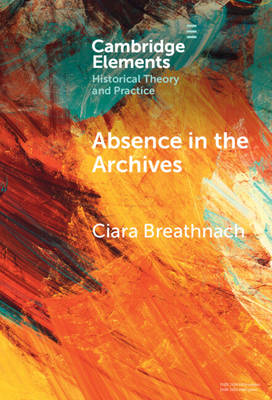
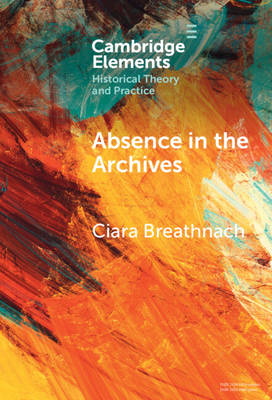
Absence in the Archives
Ciara Breathnach
€ 79,45
+ 158 punten
Uitvoering
Eenvoudig bestellen
Veilig betalen


Gratis thuislevering vanaf € 30 (via bpost)
Gratis levering in je Standaard Boekhandel
Omschrijving
Absence in official records can have profound implications for social memory, civil rights, restorative and transitional justice, citizenship, social welfare, and redress for historical abuse. Scholars of archivistics and early modern New World imperial contexts have uncovered the epistemological problems that archival silences pose for historical research, and I contend that absence deserves separate conceptual treatment. Archival absences, both permanent and temporary, have particular resonances for post-colonial countries, and is an ongoing threat under totalitarian regimes. Using Britain and Ireland as primary examples, this Element traces how absence took root in the domestic and subsequently the colonial archive, and how through legal mechanisms it became an accepted part of archival praxis. The aim of this Element is to raise awareness of archival absence in order to prevent more losses, particularly in the abundance of the digital age. This title is also available as Open Access on Cambridge Core.
Specificaties
Betrokkenen
- Auteur(s):
- Uitgeverij:
Inhoud
- Aantal bladzijden:
- 75
- Taal:
- Engels
- Reeks:
Eigenschappen
- Productcode (EAN):
- 9781009580083
- Verschijningsdatum:
- 9/07/2026
- Uitvoering:
- Hardcover
- Formaat:
- Genaaid


Alleen bij Standaard Boekhandel
+ 158 punten op je klantenkaart van Standaard Boekhandel
CADEAU

AANGERADEN


Beoordelingen
We publiceren alleen reviews die voldoen aan de voorwaarden voor reviews. Bekijk onze voorwaarden voor reviews.