


- Afhalen na 1 uur in een winkel met voorraad
- Gratis thuislevering in België vanaf € 30
- Ruim aanbod met 7 miljoen producten
- Afhalen na 1 uur in een winkel met voorraad
- Gratis thuislevering in België vanaf € 30
- Ruim aanbod met 7 miljoen producten





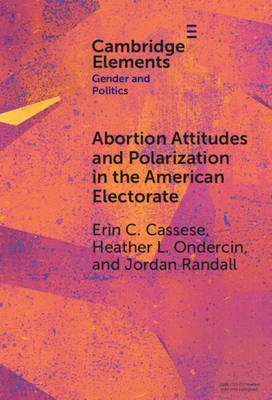
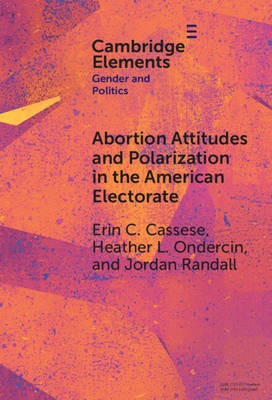
Abortion Attitudes and Polarization in the American Electorate
Erin C Cassese, Heather L Ondercin, Jordan Randall
€ 124,45
+ 248 punten
Uitvoering
Omschrijving
About two-thirds of Americans support legal abortion in many or all circumstances, and this group finds itself a frustrated majority following the Supreme Court's 2022 decision in Dobbs v. Jackson Women's Health Organization which overturned the legal precedent set in Roe v. Wade. Previous scholarship argues intense minorities can secure favorable policy outcomes when facing off against a more diffuse and less motivated majority, creating incongruence between public opinion and policy. This Element focuses on the ways that preference intensity and partisan polarization have contributed to the current policy landscape surrounding abortion rights. Using survey data from the American National Election Studies, the authors identify Americans with intense preferences about abortion and investigate the role they play in electoral politics. They observe a shift in the relationship between partisanship and preference intensity coinciding with Dobbs and speculate about what this means for elections and policy congruence in the future.
Specificaties
Betrokkenen
- Auteur(s):
- Uitgeverij:
Inhoud
- Aantal bladzijden:
- 108
- Taal:
- Engels
- Reeks:
Eigenschappen
- Productcode (EAN):
- 9781009533133
- Verschijningsdatum:
- 16/01/2025
- Uitvoering:
- Hardcover
- Formaat:
- Genaaid
- Afmetingen:
- 152 mm x 229 mm
- Gewicht:
- 317 g


Alleen bij Standaard Boekhandel
+ 248 punten op je klantenkaart van Standaard Boekhandel
Cadeau

AANGERADEN


Beoordelingen
We publiceren alleen reviews die voldoen aan de voorwaarden voor reviews. Bekijk onze voorwaarden voor reviews.