


- Afhalen na 1 uur in een winkel met voorraad
- Gratis thuislevering in België vanaf € 30
- Ruim aanbod met 7 miljoen producten
- Afhalen na 1 uur in een winkel met voorraad
- Gratis thuislevering in België vanaf € 30
- Ruim aanbod met 7 miljoen producten





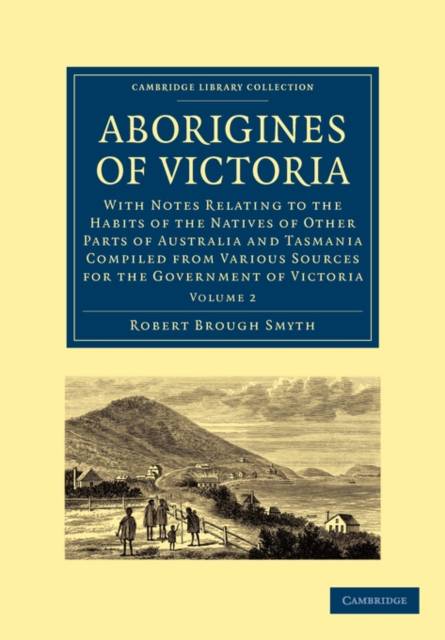
Aborigines of Victoria
With Notes Relating to the Habits of the Natives of Other Parts of Australia and Tasmania Compiled from Various Sources for the Government of Victoria
Robert Brough Smyth
€ 50,45
+ 100 punten
Uitvoering
Eenvoudig bestellen
Veilig betalen


Gratis thuislevering vanaf € 30 (via bpost)
Gratis levering in je Standaard Boekhandel
Omschrijving
Robert Brough Smyth (1830-1889) was a successful Melbourne-based mining engineer and civil servant whose international contacts included the geologist Adam Sedgwick. He also spent 16 years as Secretary of the Board for the Protection of the Aborigines. In this study of the society and customs of indigenous Australians in the Victoria region, first published in 1878, he combines his own observations with those of others who lived or worked closely with the Aboriginal population. Volume 1 discusses the Aborigines' physical and mental characteristics, demographics, social interaction, rituals, daily life and mythology. Comparisons are made throughout with other indigenous populations, particularly those of nearby Pacific and Indonesian islands. Illustrated throughout, the book takes into account the changes forced on the native population by the arrival of European settlers in the late eighteenth century and preserves much information that might otherwise have been lost.
Specificaties
Betrokkenen
- Auteur(s):
- Uitgeverij:
Inhoud
- Aantal bladzijden:
- 576
- Taal:
- Engels
- Reeks:
Eigenschappen
- Productcode (EAN):
- 9781108006569
- Verschijningsdatum:
- 2/12/2010
- Uitvoering:
- Paperback
- Formaat:
- Trade paperback (VS)
- Afmetingen:
- 170 mm x 244 mm
- Gewicht:
- 907 g


Alleen bij Standaard Boekhandel
+ 100 punten op je klantenkaart van Standaard Boekhandel
CADEAU

AANGERADEN


Beoordelingen
We publiceren alleen reviews die voldoen aan de voorwaarden voor reviews. Bekijk onze voorwaarden voor reviews.