


- Afhalen na 1 uur in een winkel met voorraad
- Gratis thuislevering in België vanaf € 30
- Ruim aanbod met 7 miljoen producten
- Afhalen na 1 uur in een winkel met voorraad
- Gratis thuislevering in België vanaf € 30
- Ruim aanbod met 7 miljoen producten





Omschrijving
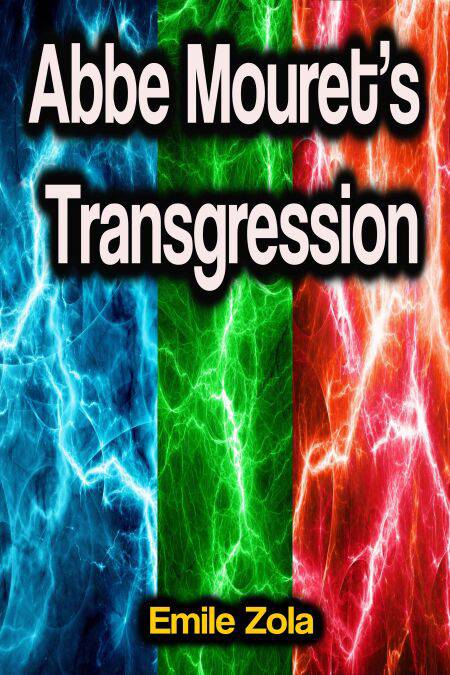
Abbe Mouret's Transgression Emile Zola - "Abbé Mouret's Transgression" (La Faute de l'Abbé Mouret), written in 1874, is perhaps the most powerful and poetic of all Zola's tales; it is that in which fantasy bears the greatest part, and in which "naturalisme" for a while disappears. The opening chapters describe a profligate and almost pagan village in Provence, and here "naturalisme" is at home, and in its proper place. The fifth novel in Zola's "Rougon-Macquart" series, "Abbé Mouret's Transgression" is the sequel to "The Conquest of Plassans," in which we are first introduced to the main character, the neurotic young priest Serge Mouret. He becomes the parish priest for the village of Artauds, where the villagers have no interest in religion. This test to his faith brings the priest to a nervous breakdown. As he begins to recover he finds that he has lost all memory of who or where he is. This novel pits the faith of religion against the universal desires of love and sexuality. Presented here in this edition is the "Suppressed English Edition" originally published in France in the late 19th century.
Specificaties
Betrokkenen
- Auteur(s):
- Uitgeverij:
Inhoud
- Aantal bladzijden:
- 444
- Taal:
- Engels
Eigenschappen
- Productcode (EAN):
- 9783986478728
- Verschijningsdatum:
- 12/10/2021
- Uitvoering:
- E-book
- Beveiligd met:
- Digital watermarking
- Formaat:
- ePub



Alleen bij Standaard Boekhandel
+ 4 punten op je klantenkaart van Standaard Boekhandel
CADEAU

AANGERADEN


Beoordelingen
We publiceren alleen reviews die voldoen aan de voorwaarden voor reviews. Bekijk onze voorwaarden voor reviews.