



- Afhalen na 1 uur in een winkel met voorraad
- In januari gratis thuislevering in België
- Ruim aanbod met 7 miljoen producten
- Afhalen na 1 uur in een winkel met voorraad
- In januari gratis thuislevering in België
- Ruim aanbod met 7 miljoen producten




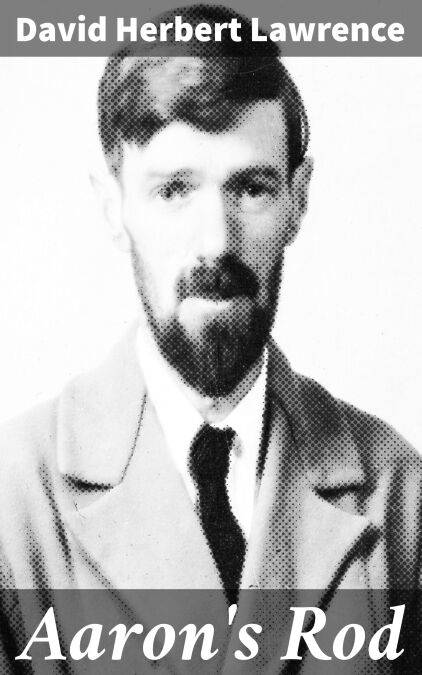
Aaron's Rod E-BOOK
Exploring the Depths of Human Existence and Societal Constraints in Post-World War I Era
David Herbert Lawrence
E-book | Engels
€ 0,49
Uitvoering
Omschrijving
David Herbert Lawrence'Äôs "Aaron's Rod" delves into the complexities of human relationships, sexuality, and the quest for self-identity through the life of its eponymous protagonist, Aaron Sisson. Set against the backdrop of post-World War I England, the narrative unfolds in an experimental style that intertwines poetic prose with vivid imagery, reflective of Lawrence's modernist influences. The novel explores themes of alienation, artistic aspiration, and sexual liberation, ultimately questioning the roles society imposes on individuals. As Lawrence constructs a rich tapestry of characters and their intertwined fates, he critiques the socio-political climate of his time, making this work a profound commentary on the human condition. David Herbert Lawrence, one of the most significant literary figures of the early 20th century, was acutely aware of the tensions between industrialization and personal freedom, having experienced a tumultuous upbringing in the mining town of Eastwood, England. This upbringing, along with his own struggles with societal norms and a fierce belief in individualism, fueled his desire to explore the depths of human psyches. "Aaron's Rod," published in 1922, marks a crucial stage in Lawrence's literary evolution as he boldly confronts the turmoil of modern life. Readers seeking a compelling exploration of the intricacies of desire and identity will find "Aaron's Rod" both challenging and rewarding. Lawrence's unique blend of realism and lyrical prose invites deep reflection on the nature of self and society, making this novel essential for anyone interested in the psychological and emotional dimensions of literature.
Specificaties
Betrokkenen
- Auteur(s):
- Uitgeverij:
Inhoud
- Aantal bladzijden:
- 275
- Taal:
- Engels
Eigenschappen
- Productcode (EAN):
- 4064066062767
- Verschijningsdatum:
- 7/12/2020
- Uitvoering:
- E-book
- Beveiligd met:
- Digital watermarking
- Formaat:
- ePub



Alleen bij Standaard Boekhandel
Cadeau

AANGERADEN


Beoordelingen
We publiceren alleen reviews die voldoen aan de voorwaarden voor reviews. Bekijk onze voorwaarden voor reviews.