


- Afhalen na 1 uur in een winkel met voorraad
- Gratis thuislevering in België vanaf € 30
- Ruim aanbod met 7 miljoen producten
- Afhalen na 1 uur in een winkel met voorraad
- Gratis thuislevering in België vanaf € 30
- Ruim aanbod met 7 miljoen producten





€ 305,45
+ 610 punten
Omschrijving
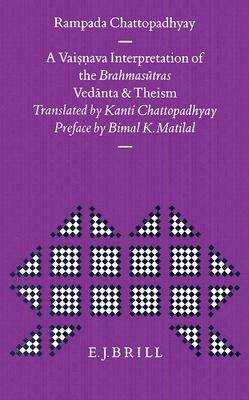
Brahmasūtras [BS] is a corpus of Vedānta. Although an interpretation of the central teachings of Upanisads, BS has itself been a subject of numerous hermeneutical forays. It somehow suited the Orientalist and Hindu scholars since the early 19th century to promote one interpretation of this seminal text, viz., from the monistic view of Advaita. Radically different trajectories of Hindu cultural selfunderstanding were by and large ignored: one re-interpretative attempt comes from the Vaisṇava followers of Śrī Caintanya.
Sri Rampada Chattopadhyay in this volume attempts such a novel reading. His basic thesis is: the Bhāgavata Purāṇa or Śrīmad Bhāgavāta, a key scripture in Vaisṇava theology, was the best available commentary on the original BS. In other words, as Professor Matilal explains in his Preface, in order to understand the theistic and devotional nature of religious philosophy that underlies Vedānta, one has to depend upon the theological teachings of the Bhāgavata.
Chattopadhyay draws on these teachings to correlate with issues pondered upon in the Upanisads, and their subsequent influence on Vedānta, the Brahmasūtras in particular. He follows the traditional pattern of commenting on each section and chapter according to which the sūtras have been devided. While copiously elucidating on the Vaisṇava approach, he engages in criticism of Śaṁkara and other Vedānta commentators on BS. The book is of immense importance to scholars and students in this late phase of Indian thought.
Sri Rampada Chattopadhyay in this volume attempts such a novel reading. His basic thesis is: the Bhāgavata Purāṇa or Śrīmad Bhāgavāta, a key scripture in Vaisṇava theology, was the best available commentary on the original BS. In other words, as Professor Matilal explains in his Preface, in order to understand the theistic and devotional nature of religious philosophy that underlies Vedānta, one has to depend upon the theological teachings of the Bhāgavata.
Chattopadhyay draws on these teachings to correlate with issues pondered upon in the Upanisads, and their subsequent influence on Vedānta, the Brahmasūtras in particular. He follows the traditional pattern of commenting on each section and chapter according to which the sūtras have been devided. While copiously elucidating on the Vaisṇava approach, he engages in criticism of Śaṁkara and other Vedānta commentators on BS. The book is of immense importance to scholars and students in this late phase of Indian thought.
Specificaties
Betrokkenen
- Auteur(s):
- Uitgeverij:
Inhoud
- Aantal bladzijden:
- 299
- Taal:
- Engels
- Reeks:
- Reeksnummer:
- nr. 3
Eigenschappen
- Productcode (EAN):
- 9789004095700
- Verschijningsdatum:
- 1/02/1992
- Uitvoering:
- Hardcover
- Formaat:
- Genaaid
- Afmetingen:
- 165 mm x 247 mm
- Gewicht:
- 725 g


Alleen bij Standaard Boekhandel
+ 610 punten op je klantenkaart van Standaard Boekhandel
CADEAU


Beoordelingen
We publiceren alleen reviews die voldoen aan de voorwaarden voor reviews. Bekijk onze voorwaarden voor reviews.