


- Afhalen na 1 uur in een winkel met voorraad
- Gratis thuislevering in België vanaf € 30
- Ruim aanbod met 7 miljoen producten
- Afhalen na 1 uur in een winkel met voorraad
- Gratis thuislevering in België vanaf € 30
- Ruim aanbod met 7 miljoen producten





€ 112,95
+ 225 punten
Uitvoering
Omschrijving
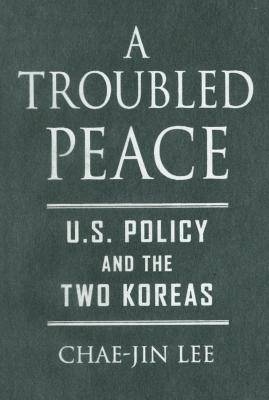
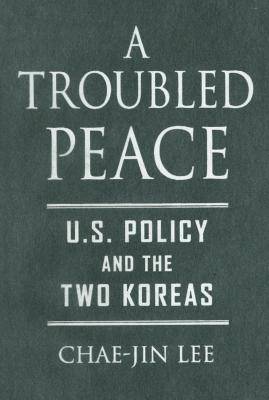
Political scientist Chae-Jin Lee reviews the vicissitudes of U.S. policy toward Korea-North and South-since the end of World War II, but especially since 1948 when rival regimes were installed in both North and South. Various American presidential administrations have sought to bring about stability and change in Korea, with varying degrees of success and failure. However, the U.S. could never effect better relations between North and South, despite overtures by Presidents George H. W. Bush and Bill Clinton. In U.S. Policy toward Korea, Chae-Jin Lee seeks to explain the continuously changing nature of U.S.-Korean relations by discussing the goals the U.S. has historically sought for Korea, they way in which these goals were articulated, both publicly and privately, and the methods and tools used to implement these goals. Lee makes it his task to not only write from the U.S. perspective, but to also cntruct the Korean points of view to the extent possible. The result is a book that reveals frustrations of all players-U.S. and the two Koreas-in attempting to arrive at some modicum of coexistence.
Specificaties
Betrokkenen
- Auteur(s):
- Uitgeverij:
Inhoud
- Aantal bladzijden:
- 376
- Taal:
- Engels
Eigenschappen
- Productcode (EAN):
- 9780801883309
- Verschijningsdatum:
- 1/04/2006
- Uitvoering:
- Hardcover
- Formaat:
- Genaaid
- Afmetingen:
- 157 mm x 235 mm
- Gewicht:
- 621 g


Alleen bij Standaard Boekhandel
+ 225 punten op je klantenkaart van Standaard Boekhandel
Cadeau

AANGERADEN


Beoordelingen
We publiceren alleen reviews die voldoen aan de voorwaarden voor reviews. Bekijk onze voorwaarden voor reviews.