



Je cadeautjes zeker op tijd in huis hebben voor de feestdagen? Kom langs in onze winkels en vind het perfecte geschenk!
- Afhalen na 1 uur in een winkel met voorraad
- Gratis thuislevering in België vanaf € 30
- Ruim aanbod met 7 miljoen producten
Je cadeautjes zeker op tijd in huis hebben voor de feestdagen? Kom langs in onze winkels en vind het perfecte geschenk!
- Afhalen na 1 uur in een winkel met voorraad
- Gratis thuislevering in België vanaf € 30
- Ruim aanbod met 7 miljoen producten





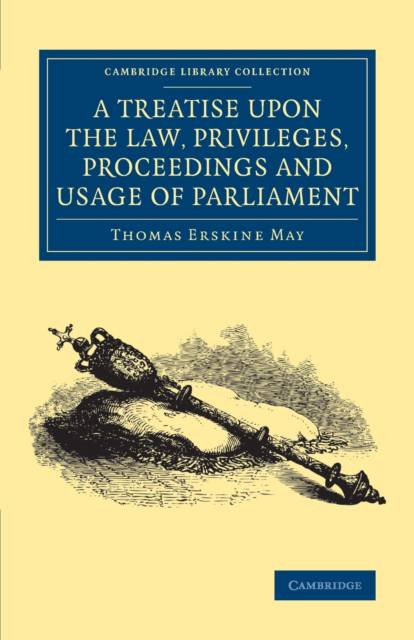
A Treatise upon the Law, Privileges, Proceedings and Usage of Parliament
Thomas Erskine May
€ 101,95
+ 203 punten
Omschrijving
'Erskine May', like 'Hansard', is a book recognised by its author's name much more readily than by its title; and, also like Hansard, it is closely connected to the work of the British Houses of Parliament. Thomas Erskine May (1815-86), clerk to the House of Commons, began his working life as assistant to the House of Commons librarian, and familiarised himself with constitutional history and parliamentary procedure during a long and distinguished career. This 1844 book describes the workings of Parliament, including its constitution, powers and privileges, practice and proceedings, and private bills. The history and traditions of the institution are examined, and current practice explained in detail. It went into several subsequent editions, and was translated into many languages. Erskine May was also a cautious but efficient reformer, streamlining procedures in order to manage much greater amounts of parliamentary business: his work is still consulted on procedural matters.
Specificaties
Betrokkenen
- Auteur(s):
- Uitgeverij:
Inhoud
- Aantal bladzijden:
- 518
- Taal:
- Engels
- Reeks:
Eigenschappen
- Productcode (EAN):
- 9781108078733
- Verschijningsdatum:
- 5/03/2015
- Uitvoering:
- Paperback
- Formaat:
- Trade paperback (VS)
- Afmetingen:
- 140 mm x 216 mm
- Gewicht:
- 648 g


Alleen bij Standaard Boekhandel
+ 203 punten op je klantenkaart van Standaard Boekhandel
CADEAU


Beoordelingen
We publiceren alleen reviews die voldoen aan de voorwaarden voor reviews. Bekijk onze voorwaarden voor reviews.