


- Afhalen na 1 uur in een winkel met voorraad
- Gratis thuislevering in België vanaf € 30
- Ruim aanbod met 7 miljoen producten
- Afhalen na 1 uur in een winkel met voorraad
- Gratis thuislevering in België vanaf € 30
- Ruim aanbod met 7 miljoen producten





€ 0,49
Uitvoering
Omschrijving
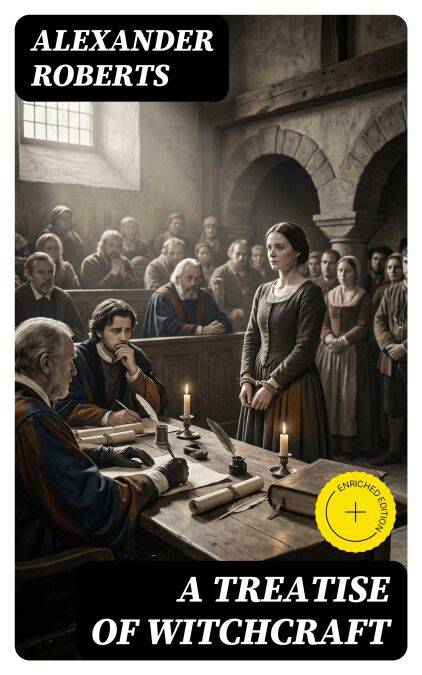
In "A Treatise of Witchcraft," Alexander Roberts explores the intricate relationship between superstition and societal norms during a time marked by the fear of the supernatural. Written in a scholarly yet accessible style, Roberts provides a critical examination of witchcraft through historical context, legal documents, and personal anecdotes, effectively weaving together a narrative that challenges prevalent beliefs of his era. The treatise delves into the moral and ethical implications of witch-hunting, unveiling not only the ramifications for accused witches but also the broader impact on communities gripped by paranoia and hysteria. Alexander Roberts, a noted figure in the 17th century, was deeply influenced by the sociopolitical upheavals of his time, which were exacerbated by religious conflicts and societal fears. His background in law and fervent interest in moral philosophy prompted him to write this treatise not merely as a critique but as a plea for reason amidst irrational fear. Roberts aimed to illuminate the dangers of scapegoating and mass hysteria, drawing on widespread empirical evidence and enlightened thought. Readers interested in the interplay between law, morality, and societal fears will find "A Treatise of Witchcraft" both enlightening and thought-provoking. It is a crucial work for understanding the genesis of modern legal and ethical standards regarding witchcraft, making it an essential read for anyone intrigued by the historical complexities of justice and human rights.
In this enriched edition, we have carefully created added value for your reading experience:
- Hand‐picked Memorable Quotes shine a spotlight on moments of literary brilliance.
- Interactive footnotes clarify unusual references, historical allusions, and archaic phrases for an effortless, more informed read.
In this enriched edition, we have carefully created added value for your reading experience:
- Hand‐picked Memorable Quotes shine a spotlight on moments of literary brilliance.
- Interactive footnotes clarify unusual references, historical allusions, and archaic phrases for an effortless, more informed read.
Specificaties
Betrokkenen
- Auteur(s):
- Uitgeverij:
Inhoud
- Aantal bladzijden:
- 72
- Taal:
- Engels
Eigenschappen
- Productcode (EAN):
- 8596547342977
- Verschijningsdatum:
- 14/09/2022
- Uitvoering:
- E-book
- Beveiligd met:
- Digital watermarking
- Formaat:
- ePub


Alleen bij Standaard Boekhandel

Beoordelingen
We publiceren alleen reviews die voldoen aan de voorwaarden voor reviews. Bekijk onze voorwaarden voor reviews.