


- Afhalen na 1 uur in een winkel met voorraad
- Gratis thuislevering in België vanaf € 30
- Ruim aanbod met 7 miljoen producten
- Afhalen na 1 uur in een winkel met voorraad
- Gratis thuislevering in België vanaf € 30
- Ruim aanbod met 7 miljoen producten





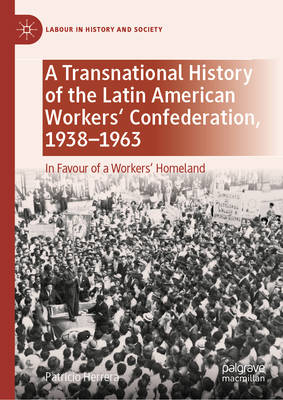
A Transnational History of the Latin American Workers' Confederation, 1938-1963
In Favour of a Workers' Homeland
Patricio Herrera
€ 140,95
+ 281 punten
Omschrijving
This book examines the efforts of the Confederation of Latin American Workers (CTAL) in generating workers' unity across the continent from 1938-1963. Emerging in 1938 during a period of geopolitical instability, CTAL was systemically and actively preoccupied with the problems that affected workers in Latin America, consistently carrying out concrete actions to protect working-class interests. In doing so, CTAL initiated a process that led to the strengthening of union organisations and the promotion of a common language to defend the social and labour demands of the working class across the continent. This was particularly important due to the complex economic and political repercussions of the Second World War: namely, the high cost of basic necessities, and restrictions on collective and individual liberties. By the end of 1944, CTAL had consolidated its position as a continental union, inserted itself into international debate with organisations such as the ILO, and received widespread support from other labour organisations, including those in the USA and Canada. By analysing how international politics affected workers' movements across various countries, this book offers a transnational, historic overview of the working class in Latin America.
Specificaties
Betrokkenen
- Auteur(s):
- Uitgeverij:
Inhoud
- Aantal bladzijden:
- 267
- Taal:
- Engels
- Reeks:
Eigenschappen
- Productcode (EAN):
- 9783031984464
- Verschijningsdatum:
- 4/10/2025
- Uitvoering:
- Hardcover
- Formaat:
- Genaaid
- Afmetingen:
- 148 mm x 210 mm
- Gewicht:
- 489 g


Alleen bij Standaard Boekhandel
+ 281 punten op je klantenkaart van Standaard Boekhandel
Cadeau

AANGERADEN


Beoordelingen
We publiceren alleen reviews die voldoen aan de voorwaarden voor reviews. Bekijk onze voorwaarden voor reviews.