


- Afhalen na 1 uur in een winkel met voorraad
- Gratis thuislevering in België vanaf € 30
- Ruim aanbod met 7 miljoen producten
- Afhalen na 1 uur in een winkel met voorraad
- Gratis thuislevering in België vanaf € 30
- Ruim aanbod met 7 miljoen producten





€ 142,95
+ 285 punten
Uitvoering
Omschrijving
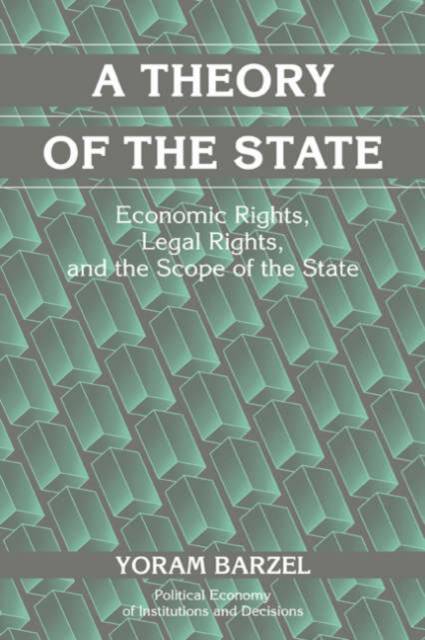
This book models the emergence and evolution of the rule-of-law state. The protector or ruler is assumed to be self-seeking. Individuals will install a protector only after they create institutions to control him. Organized protection engenders legal institutions that enforce rights. A "state of nature" then gradually turns into a rule-of-law state. Individuals employ both the state and other third parties for enforcement. The fraction of agreements that the state enforces determines its scope. Rule-of-law states encourage market transactions and standards that facilitate trade. The larger the domain of the state's ultimate enforcer, the greater the advantage of scale economies to contracting. This force may explain the creation of rule-of-law empires.
Specificaties
Betrokkenen
- Auteur(s):
- Uitgeverij:
Inhoud
- Aantal bladzijden:
- 308
- Taal:
- Engels
- Reeks:
Eigenschappen
- Productcode (EAN):
- 9780521806053
- Verschijningsdatum:
- 3/12/2001
- Uitvoering:
- Hardcover
- Formaat:
- Genaaid
- Afmetingen:
- 152 mm x 229 mm
- Gewicht:
- 621 g



Alleen bij Standaard Boekhandel
+ 285 punten op je klantenkaart van Standaard Boekhandel
CADEAU

AANGERADEN


Beoordelingen
We publiceren alleen reviews die voldoen aan de voorwaarden voor reviews. Bekijk onze voorwaarden voor reviews.