


- Afhalen na 1 uur in een winkel met voorraad
- Gratis thuislevering in België vanaf € 30
- Ruim aanbod met 7 miljoen producten
- Afhalen na 1 uur in een winkel met voorraad
- Gratis thuislevering in België vanaf € 30
- Ruim aanbod met 7 miljoen producten





€ 161,45
+ 322 punten
Omschrijving
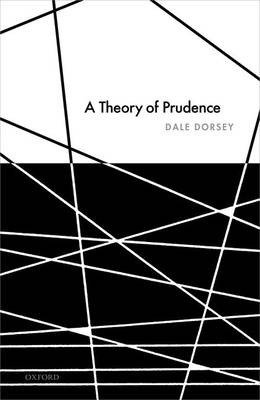
Much of knowing what to do is knowing what to do for ourselves, but knowing how to act in our best interest is complex---we must know what benefits us, what burdens us, and how these facts present and constitute considerations in favor of action. Additionally, we must know how we should weigh our interests at different times---past, present, and future. Dale Dorsey argues that a theory of prudence is needed: a theory of how we ought to act when we are acting for ourselves. A Theory of Prudence provides a comprehensive account of prudence, including the metaethics of prudential value, the nature of the personal good, the reasons of prudence, and the structure of prudential normativity over time.
Specificaties
Betrokkenen
- Auteur(s):
- Uitgeverij:
Inhoud
- Aantal bladzijden:
- 338
- Taal:
- Engels
Eigenschappen
- Productcode (EAN):
- 9780198823759
- Verschijningsdatum:
- 8/06/2021
- Uitvoering:
- Hardcover
- Formaat:
- Genaaid
- Afmetingen:
- 155 mm x 236 mm
- Gewicht:
- 557 g


Alleen bij Standaard Boekhandel
+ 322 punten op je klantenkaart van Standaard Boekhandel
Cadeau

AANGERADEN


Beoordelingen
We publiceren alleen reviews die voldoen aan de voorwaarden voor reviews. Bekijk onze voorwaarden voor reviews.