


- Afhalen na 1 uur in een winkel met voorraad
- Gratis thuislevering in België vanaf € 30
- Ruim aanbod met 7 miljoen producten
- Afhalen na 1 uur in een winkel met voorraad
- Gratis thuislevering in België vanaf € 30
- Ruim aanbod met 7 miljoen producten





Omschrijving
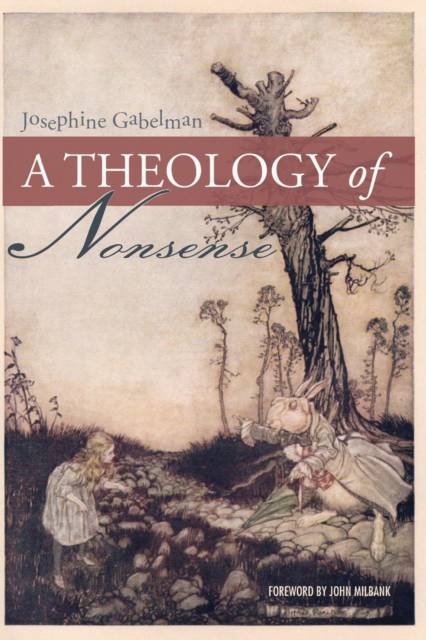
There is within all theological utterances something of the ridiculous, perhaps more so in Christianity, given its proclivity for the paradoxical and the childlike. Yet, few theologians are willing to discuss that consent to the Christian doctrine often requires a faith that goes beyond reason or does not exclusively identify with it. There seems to be a fear that the association of theology with the absurd will give fuel to the skeptic's refrain: "you can't seriously believe in all that nonsense." This book considers the legitimacy of the skeptic's objection and rather than trying to explain away points of logical contradiction, the author explores the possibility that an idea can be contrary to rationality and also true and meaningful. The study involves the systematic analysis of central stylistic features of literary nonsense using Lewis Carroll's famous Alice stories as exemplar. The project culminates in the setting up of a nonsense theology by considering the practical and evangelical ramifications of associating Christian faith with nonsense literature; and conversely, the value of relating theological principles to the study of literary nonsense. Ultimately, the research suggests that faith is always a risk and that a strictly rational apologetic misrepresents the nature of Christian truth.
Specificaties
Betrokkenen
- Auteur(s):
- Uitgeverij:
Inhoud
- Aantal bladzijden:
- 238
- Taal:
- Engels
Eigenschappen
- Productcode (EAN):
- 9781625645531
- Verschijningsdatum:
- 8/09/2016
- Uitvoering:
- Paperback
- Formaat:
- Trade paperback (VS)
- Afmetingen:
- 150 mm x 226 mm
- Gewicht:
- 340 g


Alleen bij Standaard Boekhandel
+ 89 punten op je klantenkaart van Standaard Boekhandel
CADEAU


Beoordelingen
We publiceren alleen reviews die voldoen aan de voorwaarden voor reviews. Bekijk onze voorwaarden voor reviews.