


- Afhalen na 1 uur in een winkel met voorraad
- Gratis thuislevering in België vanaf € 30
- Ruim aanbod met 7 miljoen producten
- Afhalen na 1 uur in een winkel met voorraad
- Gratis thuislevering in België vanaf € 30
- Ruim aanbod met 7 miljoen producten





€ 124,45
+ 248 punten
Uitvoering
Omschrijving
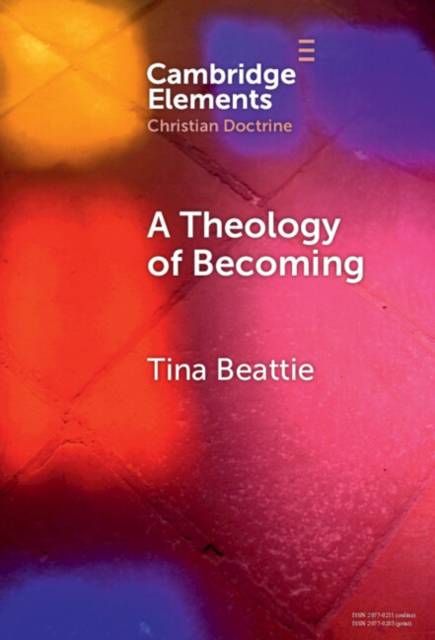
Modern theological approaches to birth have been filtered through an androcentric lens, focusing more on ethical questions of contraception and abortion than on the significance of birth for what it means to be human. In the Catholic tradition, this has been influenced by doctrines and traditions surrounding Mary's virginal conception of Christ and painless birth. This Element considers the challenges posed by maternal life to ideas and theories about pregnancy, childbirth, and the relationship between a woman and her newborn child. Reflecting on her maternal experiences through the lenses of feminist theory and Marian theology, the author sketches the contours of an incarnational theology that endows the birthing body with sacramental significance. She concludes by asking what it would mean for theological anthropology to adopt this as the normative model of the person reborn through baptism into the body of the maternal Church.
Specificaties
Betrokkenen
- Auteur(s):
- Uitgeverij:
Inhoud
- Aantal bladzijden:
- 80
- Taal:
- Engels
- Reeks:
Eigenschappen
- Productcode (EAN):
- 9781009535540
- Verschijningsdatum:
- 12/02/2026
- Uitvoering:
- Hardcover
- Formaat:
- Genaaid
- Afmetingen:
- 152 mm x 229 mm
- Gewicht:
- 281 g


Alleen bij Standaard Boekhandel
+ 248 punten op je klantenkaart van Standaard Boekhandel
Cadeau

AANGERADEN


Beoordelingen
We publiceren alleen reviews die voldoen aan de voorwaarden voor reviews. Bekijk onze voorwaarden voor reviews.