


- Afhalen na 1 uur in een winkel met voorraad
- Gratis thuislevering in België vanaf € 30
- Ruim aanbod met 7 miljoen producten
- Afhalen na 1 uur in een winkel met voorraad
- Gratis thuislevering in België vanaf € 30
- Ruim aanbod met 7 miljoen producten





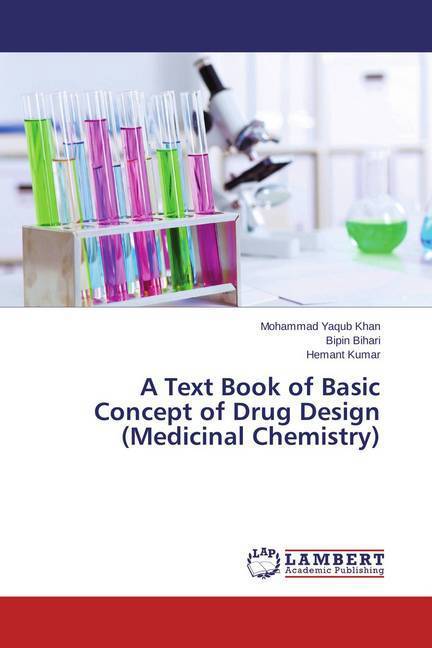
A Text Book of Basic Concept of Drug Design (Medicinal Chemistry)
Mohammad Yaqub Khan, Bipin Bihari, Hemant Kumar
Paperback | Engels
€ 54,45
+ 108 punten
Eenvoudig bestellen
Veilig betalen


Gratis thuislevering vanaf € 30 (via bpost)
Gratis levering in je Standaard Boekhandel
Omschrijving
Undergraduate education in Medicinal Chemistry seems to be in the midst of a major revolution in India. Sophisticated topics are increasingly being introduced into the college chemistry courses. In Medicinal Chemistry, this trend is apparent in the new text books. However, it has been found that a single text, no matter how well written, is not the best medium of presenting glimpses of these sophisticated topics in addition to the necessary basic chemistry.In the past few decades there has been a hiatus in the momentum of research and discovery of 'novel medicinal compounds'. This particular trend in drug development perhaps is augmented due to two vital factors, namely: first, strict empirical and rational approach to drug design; and secondly, high standards of safety and therapeutic efficacy together with tremendous increased costs of research and development and finally the clinical trials. Drug design' or 'tailor-made compound' aims at developing a drug with high degree of chemotherapeutic index and specific action. It is a logical effort to design a drug on as much a rational basis as possible thus reducing to the minimum the trial and error approach.
Specificaties
Betrokkenen
- Auteur(s):
- Uitgeverij:
Inhoud
- Aantal bladzijden:
- 88
- Taal:
- Engels
Eigenschappen
- Productcode (EAN):
- 9783659108662
- Verschijningsdatum:
- 09/06/2014
- Uitvoering:
- Paperback
- Afmetingen:
- 150 mm x 220 mm
- Gewicht:
- 141 g



Alleen bij Standaard Boekhandel
+ 108 punten op je klantenkaart van Standaard Boekhandel
CADEAU

AANGERADEN


Beoordelingen
We publiceren alleen reviews die voldoen aan de voorwaarden voor reviews. Bekijk onze voorwaarden voor reviews.