


- Afhalen na 1 uur in een winkel met voorraad
- Gratis thuislevering in België vanaf € 30
- Ruim aanbod met 7 miljoen producten
- Afhalen na 1 uur in een winkel met voorraad
- Gratis thuislevering in België vanaf € 30
- Ruim aanbod met 7 miljoen producten





€ 102,45
+ 204 punten
Omschrijving
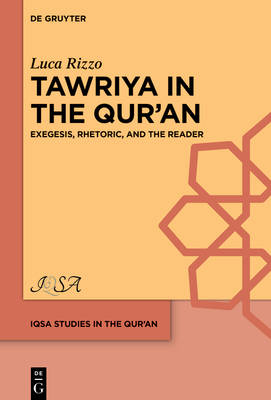
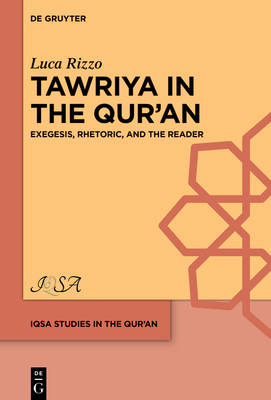
How did premodern Muslim scholars of rhetoric and exegesis interpret ambiguous verses in the Qur'an, particularly those suggesting anthropomorphism? This book explores how the rhetorical device tawriya, or "double entendre," came to serve as a hermeneutical tool for resolving or accommodating ambiguity in the sacred text. Focusing on verses traditionally considered ambiguous (mutasābihāt) and long debated by interpreters, the study distinguishes between those not related to the nature of God and those concerning divine attributes. Through a detailed analysis of premodern exegetical and theological sources, supported by an in-depth study of rhetorical treatises, it traces the evolution of exegetical and rhetorical thought. The volume also demonstrates how tawriya was used to reconcile doctrinal concerns and to legitimise textual ambiguity. Ultimately, the study argues that tawriya reveals the centrality of the reader's role in constructing meaning, shedding light on the dynamic relationship between rhetoric, theology, and hermeneutics in Islamic intellectual history and Qur'anic exegesis. This work is relevant for scholars of Islamic studies, rhetoric and religious hermeneutics.
Specificaties
Betrokkenen
- Auteur(s):
- Uitgeverij:
Inhoud
- Aantal bladzijden:
- 290
- Taal:
- Engels, Arabisch
- Reeks:
- Reeksnummer:
- nr. 9
Eigenschappen
- Productcode (EAN):
- 9783112227015
- Verschijningsdatum:
- 1/12/2025
- Uitvoering:
- Hardcover
- Formaat:
- Genaaid
- Afmetingen:
- 156 mm x 234 mm
- Gewicht:
- 585 g


Alleen bij Standaard Boekhandel
+ 204 punten op je klantenkaart van Standaard Boekhandel
Cadeau

AANGERADEN


Beoordelingen
We publiceren alleen reviews die voldoen aan de voorwaarden voor reviews. Bekijk onze voorwaarden voor reviews.