


- Afhalen na 1 uur in een winkel met voorraad
- Gratis thuislevering in België vanaf € 30
- Ruim aanbod met 7 miljoen producten
- Afhalen na 1 uur in een winkel met voorraad
- Gratis thuislevering in België vanaf € 30
- Ruim aanbod met 7 miljoen producten





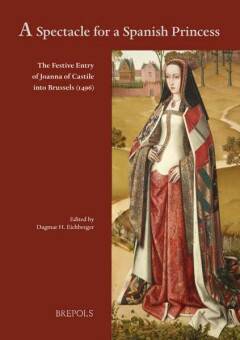
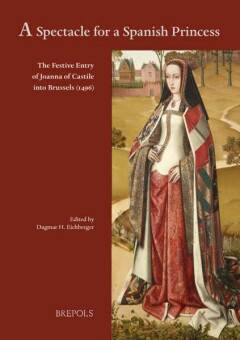
A Spectacle for a Spanish Princess
The Festive Entry of Joanna of Castile Into Brussels (1496)
Dagmar H. Eichberger
€ 116,60
+ 233 punten
Omschrijving
On the evening of 9 December 1496, Princess Joanna, Infanta of Castile, reaches the outskirts of Brussels where a procession of secular and ecclesiastical dignitaries welcomes her. After having been married to Philip the Fair in Lier, Joanna travelled to Brussels by herself. Equipped with torches and processional crosses, the citizens accompany her all the way to the heart of the city, the large market square with its magnificent town hall. The Berlin manuscript 78 D5 is the first illustrated report of an entry concentrating on one single lady. The manuscript is a treasure to all those interested in urban culture of the Early Modern period. The author of the festival booklet compares the well-lit city with the splendours of Troy and Carthage. Twenty-eight stage sets, or Tableaux Vivants, and an elaborate procession mirror the costly intellectual program presented to the sixteen-year-old princess. The carefully planned theatrical productions underscore themes of marriage, female virtues and the politics of war and peace. The program includes entertainments, soundscapes, and pyrotechnic amusements. The Latin texts are made available in English translation. The entire manuscript, with its sixty-three folios, is reproduced in colour. Eleven leading scholars present their new findings on this spectacular entry from an interdisciplinary approach.
Specificaties
Betrokkenen
- Auteur(s):
- Uitgeverij:
Inhoud
- Aantal bladzijden:
- 440
- Taal:
- Engels
- Reeks:
- Reeksnummer:
- nr. 35
Eigenschappen
- Productcode (EAN):
- 9782503594439
- Verschijningsdatum:
- 8/02/2024
- Uitvoering:
- Hardcover
- Formaat:
- Genaaid
- Afmetingen:
- 185 mm x 259 mm
- Gewicht:
- 1596 g


Alleen bij Standaard Boekhandel
+ 233 punten op je klantenkaart van Standaard Boekhandel
Cadeau

AANGERADEN


Beoordelingen
We publiceren alleen reviews die voldoen aan de voorwaarden voor reviews. Bekijk onze voorwaarden voor reviews.