


- Afhalen na 1 uur in een winkel met voorraad
- Gratis thuislevering in België vanaf € 30
- Ruim aanbod met 7 miljoen producten
- Afhalen na 1 uur in een winkel met voorraad
- Gratis thuislevering in België vanaf € 30
- Ruim aanbod met 7 miljoen producten





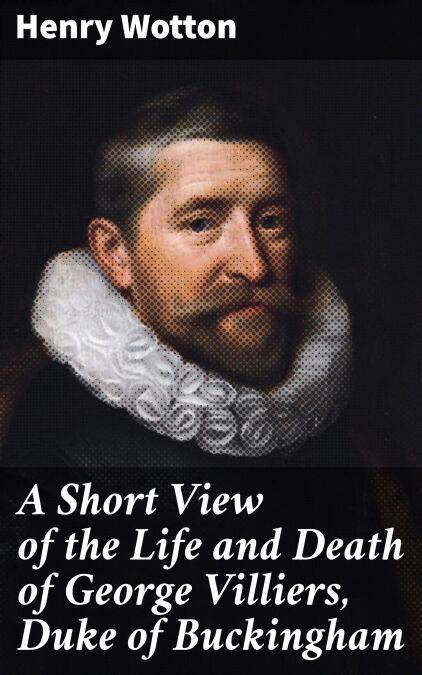
A Short View of the Life and Death of George Villiers, Duke of Buckingham E-BOOK
A Compelling Biography of a Royal Court Intriguer
Henry Wotton
E-book | Engels
€ 0,99
€ 1,99
Omschrijving
In "A Short View of the Life and Death of George Villiers, Duke of Buckingham," Henry Wotton presents a meticulously crafted biography that blends personal anecdote with political commentary. Written in the early 17th century, Wotton adopts an eloquent yet succinct literary style, reflective of the period's growing fascination with individual biography and the complexities of courtly life. He navigates the tumultuous landscape of the Jacobean court, illustrating Villiers' rise from modest origins to the heights of power, while also scrutinizing the moral implications of his influence and untimely death, thus offering readers profound insights into themes of ambition, loyalty, and the fickleness of fortune. Henry Wotton (1568-1639) was a poet, diplomat, and scholar who served under both James I and Charles I, deeply immersed in the intrigues of the English court. His firsthand experiences within these circles, combined with a keen intellect and a penchant for satire, fuel his exploration of Villiers' life. Wotton's position as a contemporary observer undoubtedly provides the narrative with a sense of authenticity, making it a vital historical document as well as a Dutch treatise on human ambition. This biographical account is invaluable for scholars, historians, and general readers alike, as it not only details the life of one of the most controversial figures in English history but also reflects larger patterns of power, privilege, and tragedy. Wotton'Äôs nuanced portrayal of Villiers invites readers to reflect on the moral complexities surrounding fame and legacy, making this work a compelling study in both literature and history.
Specificaties
Betrokkenen
- Auteur(s):
- Uitgeverij:
Inhoud
- Aantal bladzijden:
- 23
- Taal:
- Engels
Eigenschappen
- Productcode (EAN):
- 4064066454357
- Verschijningsdatum:
- 10/04/2021
- Uitvoering:
- E-book
- Beveiligd met:
- Digital watermarking
- Formaat:
- ePub



Alleen bij Standaard Boekhandel
Cadeau

AANGERADEN


Beoordelingen
We publiceren alleen reviews die voldoen aan de voorwaarden voor reviews. Bekijk onze voorwaarden voor reviews.