



Je cadeautjes zeker op tijd in huis hebben voor de feestdagen? Kom langs in onze winkels en vind het perfecte geschenk!
- Afhalen na 1 uur in een winkel met voorraad
- Gratis thuislevering in België vanaf € 30
- Ruim aanbod met 7 miljoen producten
Je cadeautjes zeker op tijd in huis hebben voor de feestdagen? Kom langs in onze winkels en vind het perfecte geschenk!
- Afhalen na 1 uur in een winkel met voorraad
- Gratis thuislevering in België vanaf € 30
- Ruim aanbod met 7 miljoen producten





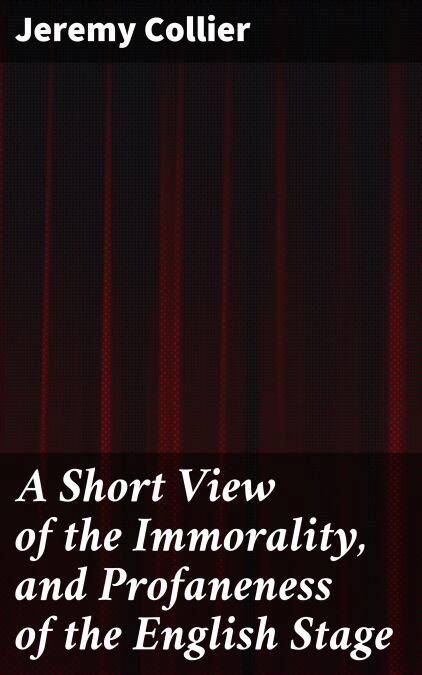
A Short View of the Immorality, and Profaneness of the English Stage E-BOOK
Enriched edition. Together with the Sense of Antiquity on this Argument
Jeremy Collier
E-book | Engels
€ 2,49
+ 2 punten
Omschrijving
In "A Short View of the Immorality and Profaneness of the English Stage," Jeremy Collier presents a scathing critique of the theatrical practices in early 18th-century England. With a sharp, didactic style, Collier underscores the moral decay he perceives in plays of his time, highlighting their tendency to undermine societal values through misrepresentation of vice and virtue. His argument situates itself within the larger context of the Restoration theatre, shedding light on the dissonance between artistic expression and moral integrity while calling for a reevaluation of theatrical content's impact on public morality. Jeremy Collier (1650-1726), a clergyman and a prominent moralist, was influenced by the tumultuous landscape of English society post-Restoration, where licentiousness in art often mirrored the political and social upheavals of the time. His perspectives, shaped by a deep-seated commitment to moral philosophy and religious principles, prompt a reexamination of the consequences that art can have on behavioral norms, indicating his broader objectives as a reformer within both church and society. This essential text is recommended for scholars, theatre enthusiasts, and anyone interested in the intersection of morality and artistic expression. Collier's incisive observations provoke critical reflection on both historical and contemporary stages, making it a crucial read for those exploring the ethics of performance art.
In this enriched edition, we have carefully created added value for your reading experience:
- A succinct Introduction situates the work's timeless appeal and themes.
- The Synopsis outlines the central plot, highlighting key developments without spoiling critical twists.
- A detailed Historical Context immerses you in the era's events and influences that shaped the writing.
- A thorough Analysis dissects symbols, motifs, and character arcs to unearth underlying meanings.
- Reflection questions prompt you to engage personally with the work's messages, connecting them to modern life.
- Hand‐picked Memorable Quotes shine a spotlight on moments of literary brilliance.
- Interactive footnotes clarify unusual references, historical allusions, and archaic phrases for an effortless, more informed read.
In this enriched edition, we have carefully created added value for your reading experience:
- A succinct Introduction situates the work's timeless appeal and themes.
- The Synopsis outlines the central plot, highlighting key developments without spoiling critical twists.
- A detailed Historical Context immerses you in the era's events and influences that shaped the writing.
- A thorough Analysis dissects symbols, motifs, and character arcs to unearth underlying meanings.
- Reflection questions prompt you to engage personally with the work's messages, connecting them to modern life.
- Hand‐picked Memorable Quotes shine a spotlight on moments of literary brilliance.
- Interactive footnotes clarify unusual references, historical allusions, and archaic phrases for an effortless, more informed read.
Specificaties
Betrokkenen
- Auteur(s):
- Uitgeverij:
Inhoud
- Aantal bladzijden:
- 362
- Taal:
- Engels
Eigenschappen
- Productcode (EAN):
- 4057664621368
- Verschijningsdatum:
- 24/11/2019
- Uitvoering:
- E-book
- Beveiligd met:
- Digital watermarking
- Formaat:
- ePub


Alleen bij Standaard Boekhandel
+ 2 punten op je klantenkaart van Standaard Boekhandel
CADEAU


Beoordelingen
We publiceren alleen reviews die voldoen aan de voorwaarden voor reviews. Bekijk onze voorwaarden voor reviews.