


- Afhalen na 1 uur in een winkel met voorraad
- Gratis thuislevering in België vanaf € 30
- Ruim aanbod met 7 miljoen producten
- Afhalen na 1 uur in een winkel met voorraad
- Gratis thuislevering in België vanaf € 30
- Ruim aanbod met 7 miljoen producten





€ 0,99
Eenvoudig bestellen
Veilig betalen


Onmiddellijk geleverd via e-mail
Omschrijving
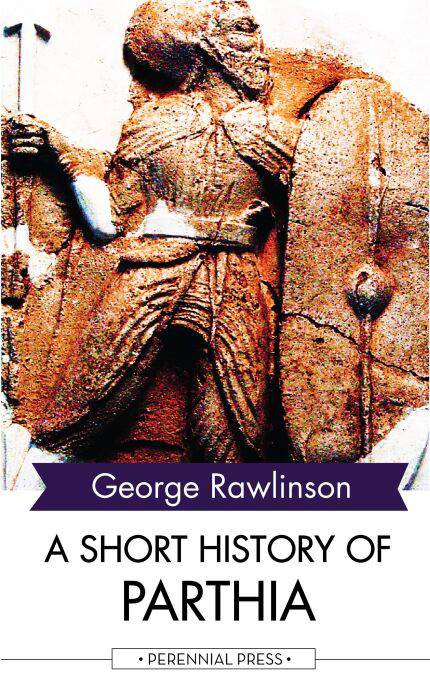
The Parthians do not appear in history until a comparatively recent period. Their name occurs nowhere in the Old Testament Scriptures. They obtain no mention in the Zendavesta. The Assyrian Inscriptions are wholly silent concerning them. It is not until the time of Darius Hystaspis that we have trustworthy evidence of their existence as a distinct people. In the inscriptions of this king we find their country included under the name of Parthva or Parthwa among the provinces of the Persian Empire, joined in two places with Sarangia, Aria, Chorasmia, Bactria, and Sogdiana, and in a third with these same countries and Sagartia. We find, moreover, an account of a rebellion in which the Parthians took part. In the troubles which broke out upon the death of the Pseudo-Smerdis, B.C. 521, Parthia revolted, in conjunction (as it would seem) with Hyrcania, espousing the cause of that Median pretender, who, declaring himself a descendant of the old Median monarchs, set himself up as a rival to Darius. Hytaspes, the father of Darius, held at this time the Parthian satrapy. In two battles within the limits of his province he defeated the rebels, who must have brought into the field a considerable force, since in one of the two engagements they lost in killed and prisoners between 10,000 and 11,000 men. After their second defeat the Parthians made their submission, and once more acknowledged Darius for their sovereign...
Specificaties
Betrokkenen
- Auteur(s):
- Uitgeverij:
Inhoud
- Aantal bladzijden:
- 398
- Taal:
- Engels
Eigenschappen
- Productcode (EAN):
- 9781531263249
- Verschijningsdatum:
- 3/03/2018
- Uitvoering:
- E-book
- Beveiligd met:
- Digital watermarking
- Formaat:
- ePub


Alleen bij Standaard Boekhandel
CADEAU

AANGERADEN


Beoordelingen
We publiceren alleen reviews die voldoen aan de voorwaarden voor reviews. Bekijk onze voorwaarden voor reviews.