


- Afhalen na 1 uur in een winkel met voorraad
- Gratis thuislevering in België vanaf € 30
- Ruim aanbod met 7 miljoen producten
- Afhalen na 1 uur in een winkel met voorraad
- Gratis thuislevering in België vanaf € 30
- Ruim aanbod met 7 miljoen producten




Omschrijving
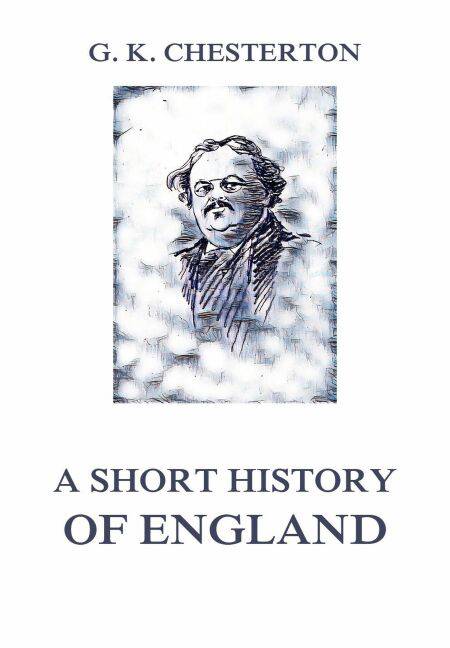
Chesterton, in his unimitable way, remarks that "the only way to write a popular history is to write it backwards." This is somewhat the method he employs in his book, "A Short History of England," in which he aims to show the importance of the populace in history, an importance that is wholly neglected by historians. England, he asserts, was created, not so much by the death of the ancient Roman civilization, as "by its escape from death, or by its refusal to die." For four hundred years Britain was wholly Roman in its civilization. Medizeval civilization arose out of the "resistance to the naked barbarians from the North, and the more subtle barbarians from the East." The crisis in English history, he argues, was not the period of the Stuarts, but the fall of Richard II. following "his failure to use medimval despotism in the interests of medieval democracy." Mr. Chesterton portrays the democracy of the Middle Ages, this civilization being the creation, really, of the people through their guilds and through monasticism which was a democratic institution which the Reformation destroyed.
Specificaties
Betrokkenen
- Auteur(s):
- Uitgeverij:
Inhoud
- Aantal bladzijden:
- 244
- Taal:
- Engels
Eigenschappen
- Productcode (EAN):
- 9783849650889
- Verschijningsdatum:
- 7/12/2017
- Uitvoering:
- E-book
- Beveiligd met:
- Digital watermarking
- Formaat:
- ePub


Alleen bij Standaard Boekhandel

Beoordelingen
We publiceren alleen reviews die voldoen aan de voorwaarden voor reviews. Bekijk onze voorwaarden voor reviews.