


- Afhalen na 1 uur in een winkel met voorraad
- Gratis thuislevering in België vanaf € 30
- Ruim aanbod met 7 miljoen producten
- Afhalen na 1 uur in een winkel met voorraad
- Gratis thuislevering in België vanaf € 30
- Ruim aanbod met 7 miljoen producten





Omschrijving
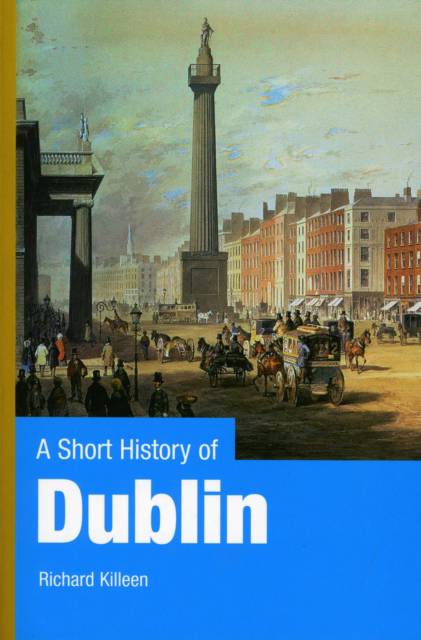
Dublin started as a Viking trading settlement in the middle of the tenth century. Location was the key as it commanded the shortest crossing to a major port in Britain. By the time the Normans arrived in Ireland in the 12th century, this was crucial: Dublin maintained the best communications between the English crown and its new lordship in Ireland. Throughout the medieval and early modern periods, the city's importance was entirely ecclesiastical and strategic. It was not a center of learning, or fashion or commerce. The foundation of Trinity College in 1592 was a landmark event but the city did not really develop until the long peace of the eighteenth century. Then the series of fine, wide Georgian streets and noble public buildings that are Dublin's greatest boast were built. A semi-autonomous parliament provided a focus for social life and the city flourished. The Act of Union of 1800 saw Ireland become a full part of the metropolitan British state, a situation not reversed until 1922. The Union years saw Dublin decline. Fine old houses were gradually abandoned by the aristocracy and became hideous tenement warrens. The city missed out on the Industrial Revolution. By the time Joyce immortalized it, it had become "the center of paralysis" in his famous phrase. Independence restored some of its natural function but there was still much poverty and shabbiness. Only since the 1990s has there been real evidence of a city reinventing and revitalizing itself.
Specificaties
Betrokkenen
- Auteur(s):
- Uitgeverij:
Inhoud
- Aantal bladzijden:
- 144
- Taal:
- Engels
Eigenschappen
- Productcode (EAN):
- 9780717144174
- Verschijningsdatum:
- 19/03/2010
- Uitvoering:
- Paperback
- Formaat:
- Trade paperback (VS)
- Afmetingen:
- 124 mm x 185 mm
- Gewicht:
- 181 g


Alleen bij Standaard Boekhandel
+ 33 punten op je klantenkaart van Standaard Boekhandel

Beoordelingen
We publiceren alleen reviews die voldoen aan de voorwaarden voor reviews. Bekijk onze voorwaarden voor reviews.