


- Afhalen na 1 uur in een winkel met voorraad
- Gratis thuislevering in België vanaf € 30
- Ruim aanbod met 7 miljoen producten
- Afhalen na 1 uur in een winkel met voorraad
- Gratis thuislevering in België vanaf € 30
- Ruim aanbod met 7 miljoen producten





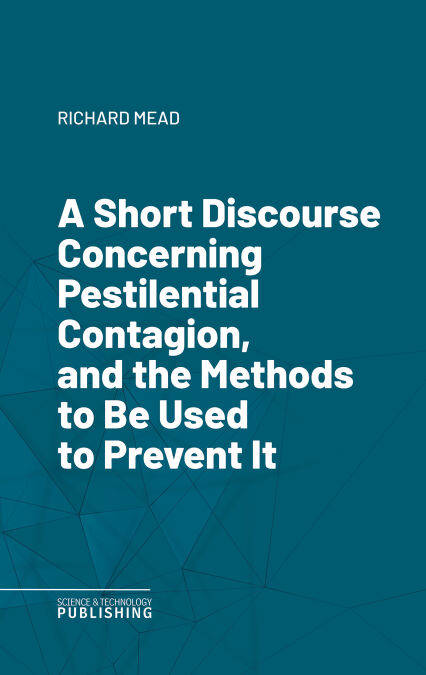
A Short Discourse Concerning Pestilential Contagion, and the Methods to Be Used to Prevent It E-BOOK
Mead
E-book | Engels
€ 19,99
+ 19 punten
Omschrijving
A Short Discourse Concerning Pestilential Contagion, and the Methods to Be Used to Prevent It is a seminal 18th-century treatise by Richard Mead, a renowned English physician, that addresses the pressing issue of plague and infectious disease in Europe. First published in 1720, the book was written during a period of heightened fear of the plague, particularly following outbreaks in Marseilles and other parts of Europe. Mead’s work is both a scientific and practical guide, offering a comprehensive overview of the nature of pestilential contagion, its modes of transmission, and the most effective strategies for prevention and containment. Drawing on contemporary medical knowledge, historical accounts, and his own clinical experience, Mead discusses the symptoms and progression of plague, emphasizing the importance of early detection and isolation of the sick. He explores the role of environmental factors, such as air quality and sanitation, in the spread of disease, and advocates for rigorous public health measures, including quarantine, fumigation, and the regulation of trade and travel. Mead also addresses the responsibilities of government and local authorities in enforcing these measures, highlighting the need for coordinated action to protect public health. Throughout the discourse, Mead combines scientific reasoning with practical advice, making the book accessible to both medical professionals and lay readers. His recommendations, such as the use of vinegar and aromatic substances for disinfection, the burning of contaminated materials, and the establishment of pest-houses, reflect the medical understanding of his time while laying the groundwork for modern epidemiology and public health policy. A Short Discourse Concerning Pestilential Contagion remains a valuable historical document, offering insight into early responses to epidemic disease and the evolution of public health practices. It stands as a testament to Richard Mead’s influence on medicine and his enduring legacy in the fight against infectious diseases.
Specificaties
Betrokkenen
- Auteur(s):
- Uitgeverij:
Inhoud
- Taal:
- Engels
Eigenschappen
- Productcode (EAN):
- 9782528114360
- Verschijningsdatum:
- 31/08/2025
- Uitvoering:
- E-book
- Formaat:
- ePub


Alleen bij Standaard Boekhandel
+ 19 punten op je klantenkaart van Standaard Boekhandel
Cadeau

AANGERADEN


Beoordelingen
We publiceren alleen reviews die voldoen aan de voorwaarden voor reviews. Bekijk onze voorwaarden voor reviews.