


- Afhalen na 1 uur in een winkel met voorraad
- Gratis thuislevering in België vanaf € 30
- Ruim aanbod met 7 miljoen producten
- Afhalen na 1 uur in een winkel met voorraad
- Gratis thuislevering in België vanaf € 30
- Ruim aanbod met 7 miljoen producten





€ 100,45
+ 200 punten
Omschrijving
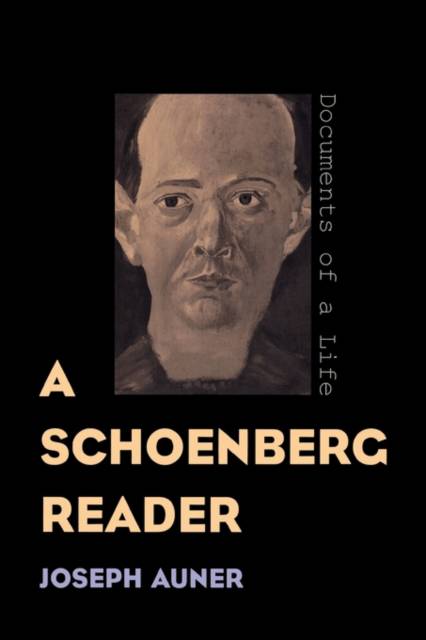
Arnold Schoenberg's close involvement with many of the principal developments of twentieth-century music, most importantly the break with tonality and the creation of twelve-tone composition, generated controversy from the time of his earliest works to the present day. This authoritative new collection of Schoenberg's essays, letters, literary writings, musical sketches, paintings, and drawings offers fresh insights into the composer's life, work, and thought. The documents, many previously unpublished or untranslated, reveal the relationships between various aspects of Schoenberg's activities in composition, music theory, criticism, painting, performance, and teaching. They also show the significance of events in his personal and family life, his evolving Jewish identity, his political concerns, and his close interactions with such figures as Gustav and Alma Mahler, Alban Berg, Wassily Kandinsky, and Thomas Mann. Extensive commentary by Joseph Auner places the documents and materials in context and traces important themes throughout Schoenberg's career from turn-of-century Vienna to Weimar Berlin to nineteen-fifties Los Angeles.
Specificaties
Betrokkenen
- Auteur(s):
- Uitgeverij:
Inhoud
- Aantal bladzijden:
- 476
- Taal:
- Engels
Eigenschappen
- Productcode (EAN):
- 9780300176933
- Verschijningsdatum:
- 31/03/2011
- Uitvoering:
- Paperback
- Formaat:
- Trade paperback (VS)
- Afmetingen:
- 152 mm x 229 mm
- Gewicht:
- 693 g


Alleen bij Standaard Boekhandel
+ 200 punten op je klantenkaart van Standaard Boekhandel
CADEAU

AANGERADEN


Beoordelingen
We publiceren alleen reviews die voldoen aan de voorwaarden voor reviews. Bekijk onze voorwaarden voor reviews.