


- Afhalen na 1 uur in een winkel met voorraad
- Gratis thuislevering in België vanaf € 30
- Ruim aanbod met 7 miljoen producten
- Afhalen na 1 uur in een winkel met voorraad
- Gratis thuislevering in België vanaf € 30
- Ruim aanbod met 7 miljoen producten





€ 0,49
Uitvoering
Eenvoudig bestellen
Veilig betalen


Onmiddellijk geleverd via e-mail
Omschrijving
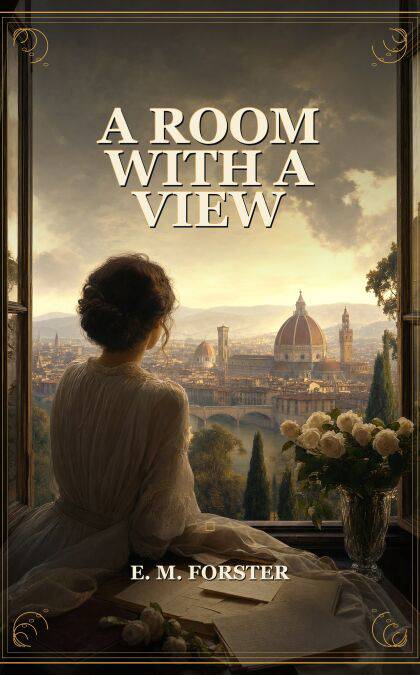
A Room With a View , perhaps E. M. Forster's lightest novel, was also one long in gestation—he began it as early as 1901, and only published it in 1908. In it we meet young Lucy Honeychurch and her cousin Charlotte Bartlett, who have gone on tour to Italy. During their stay they meet a series of interesting characters, including George Emerson, the son of an eccentric gentleman. The conflict between Lucy's choice of the unusual George, or her more conventional English suitor Cecil, forms the crux of Forster's critique of contemporary English society. Despite the novel being a societal critique, the prose is light and studded with Forster's easy witticisms. In 1958 Forster added an appendix elaborating on what occurred to the main characters after the novel's end: the two world wars figure largely in their futures. E. M. Forster (died 1970) was a significant literary figure of the 20th century. Their work has endured across generations and continues to be read and studied worldwide. As a work of classic literary fiction, A Room With A View exemplifies the narrative craft and social insight that defined great storytelling of its era. Literary fiction of this period was characterized by careful attention to character psychology, social milieu, and the moral questions that animated public discourse.
Specificaties
Betrokkenen
- Auteur(s):
- Uitgeverij:
Inhoud
- Aantal bladzijden:
- 232
- Taal:
- Engels
Eigenschappen
- Productcode (EAN):
- 9780753666142
- Verschijningsdatum:
- 18/05/2026
- Uitvoering:
- E-book
- Beveiligd met:
- Digital watermarking
- Formaat:
- ePub



Alleen bij Standaard Boekhandel
CADEAU

AANGERADEN


Beoordelingen
We publiceren alleen reviews die voldoen aan de voorwaarden voor reviews. Bekijk onze voorwaarden voor reviews.