


- Afhalen na 1 uur in een winkel met voorraad
- Gratis thuislevering in België vanaf € 30
- Ruim aanbod met 7 miljoen producten
- Afhalen na 1 uur in een winkel met voorraad
- Gratis thuislevering in België vanaf € 30
- Ruim aanbod met 7 miljoen producten





€ 48,45
+ 96 punten
Eenvoudig bestellen
Veilig betalen


Gratis thuislevering vanaf € 30 (via bpost)
Gratis levering in je Standaard Boekhandel
Omschrijving
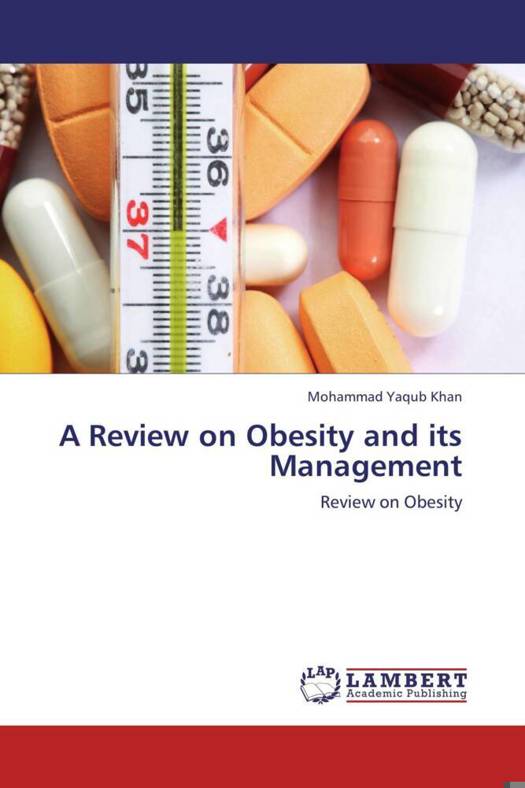
Obesity may be considered a chronic pathological condition resulting from complex interactions between cultural, psychological and genetic factors. During the past 30-40 years, a markedly increased emphasis on its control has, in part, resulted from evidence of risks to the health of the obese by a spectrum of metabolic disorders, including non-insulin dependent diabetes mellitus, hypertension, hyperlipidemia, hypercholesterolemia, cardiovascular disease and gall bladder disease.However, as both moralizing exhortations and non-pharmacological treatments usually lead to no more than limited loss of weight, their supplementation by anorectic drugs is receiving much attention. Several such drugs are available, and many more are being developed, partly because the drugs that are recommended at present typically cause weight loss for only a few months. Drugs with anti-obesity properties due specifically to this effect or to effects on the absorption or metabolism of specific dietary constituents may provide new therapeutic avenues independent of appetite suppression.
Specificaties
Betrokkenen
- Auteur(s):
- Uitgeverij:
Inhoud
- Aantal bladzijden:
- 88
- Taal:
- Engels
Eigenschappen
- Productcode (EAN):
- 9783659147975
- Verschijningsdatum:
- 20/12/2012
- Uitvoering:
- Paperback
- Afmetingen:
- 150 mm x 220 mm
- Gewicht:
- 134 g


Alleen bij Standaard Boekhandel
+ 96 punten op je klantenkaart van Standaard Boekhandel
CADEAU

AANGERADEN


Beoordelingen
We publiceren alleen reviews die voldoen aan de voorwaarden voor reviews. Bekijk onze voorwaarden voor reviews.