


- Afhalen na 1 uur in een winkel met voorraad
- Gratis thuislevering in België vanaf € 30
- Ruim aanbod met 7 miljoen producten
- Afhalen na 1 uur in een winkel met voorraad
- Gratis thuislevering in België vanaf € 30
- Ruim aanbod met 7 miljoen producten





€ 220,45
+ 440 punten
Omschrijving
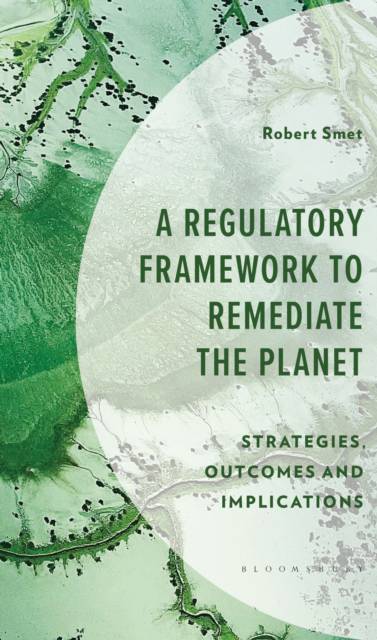
Ubiquitous environmental pollution and how we regulate it is now a more critical issue than ever. A Regulatory Framework to Remediate the Planet: Strategies, Outcomes and Implications develops an optimal regulatory strategy to minimize human-generated environmental harms by the generation of multi-media pollution and postulates a means to use this strategy "in reverse" to restore Nature's ecosystems. The strategy first includes reforming key aspects of the Clean Air Act, using the core strategy to likewise regulate the generation of solid waste pollution, and facilitate the transition to a circular economy. The author shows that this core strategy will holistically regulate the generation of multi-media environmental pollution, i.e., air, water, onsite generated waste, and solid waste pollution. He further argues that these outcomes are only possible through the intelligent use of rigorous, limit-based regulation, employing the proper blend of command-and-control and market-based instruments, rooted in an underlying structure that can be applied as a regulatory strategy across all environmental media.
Specificaties
Betrokkenen
- Auteur(s):
- Uitgeverij:
Inhoud
- Aantal bladzijden:
- 400
- Taal:
- Engels
- Reeks:
Eigenschappen
- Productcode (EAN):
- 9781666947755
- Verschijningsdatum:
- 8/01/2026
- Uitvoering:
- Hardcover
- Formaat:
- Genaaid
- Afmetingen:
- 152 mm x 229 mm
- Gewicht:
- 693 g


Alleen bij Standaard Boekhandel
+ 440 punten op je klantenkaart van Standaard Boekhandel
AANGERADEN


Beoordelingen
We publiceren alleen reviews die voldoen aan de voorwaarden voor reviews. Bekijk onze voorwaarden voor reviews.