


- Afhalen na 1 uur in een winkel met voorraad
- Gratis thuislevering in België vanaf € 30
- Ruim aanbod met 7 miljoen producten
- Afhalen na 1 uur in een winkel met voorraad
- Gratis thuislevering in België vanaf € 30
- Ruim aanbod met 7 miljoen producten




Omschrijving
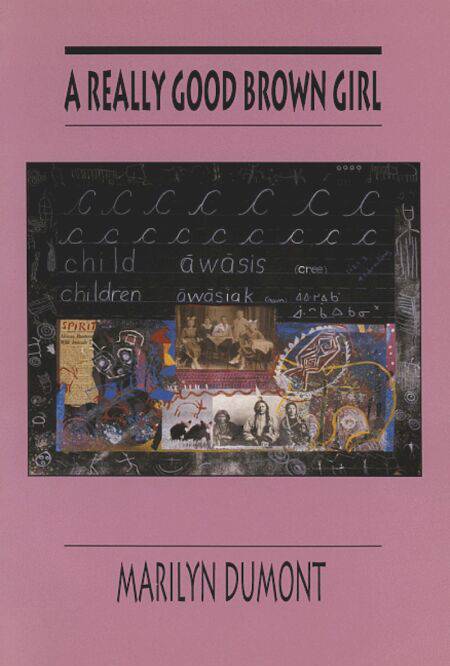
Marilyn Dumont’s Metis heritage offers her challenges that few of us welcome. Here she turns them to opportunities: in a voice that is fierce, direct, and true, she explores and transcends the multiple boundaries imposed by society of the self. She mocks, with exasperation and sly humour, the banal exploitation of Indianness (“there it is again, the circle, that goddamned circle, as if we thought in circles, judged things on the merit of their circularity, as if all we ate was bologna and bannock and lived in teepees”); more-Indian-than-thou oneupmanship (“So, I’m having coffee with this treaty guy from up north … I say I’m Metis like it’s an apology and he says, ‘mmh,’ like he forgives me, like he’s got a big heart and mine’s pumping diluted blood”); and white condescension and ignorance (“The White Judges”). She celebrates the person, clearly observing, who defines her own life. These are Indian poems; Canadian poems; human poems.
Specificaties
Betrokkenen
- Auteur(s):
- Uitgeverij:
Inhoud
- Aantal bladzijden:
- 80
- Taal:
- Engels
Eigenschappen
- Productcode (EAN):
- 9781894078863
- Verschijningsdatum:
- 1/09/1996
- Uitvoering:
- E-book
- Beveiligd met:
- Digital watermarking
- Formaat:
- ePub


Alleen bij Standaard Boekhandel
+ 8 punten op je klantenkaart van Standaard Boekhandel

Beoordelingen
We publiceren alleen reviews die voldoen aan de voorwaarden voor reviews. Bekijk onze voorwaarden voor reviews.