


- Afhalen na 1 uur in een winkel met voorraad
- Gratis thuislevering in België vanaf € 30
- Ruim aanbod met 7 miljoen producten
- Afhalen na 1 uur in een winkel met voorraad
- Gratis thuislevering in België vanaf € 30
- Ruim aanbod met 7 miljoen producten





€ 45,95
+ 91 punten
Uitvoering
Eenvoudig bestellen
Veilig betalen


Gratis thuislevering vanaf € 30 (via bpost)
Gratis levering in je Standaard Boekhandel
Omschrijving
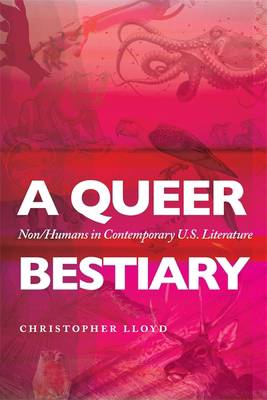
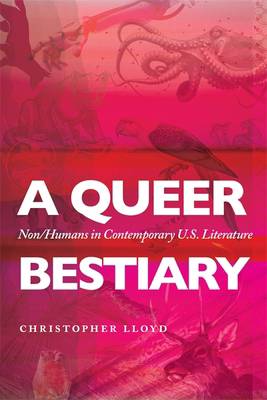
The slippery and mutable boundaries between humans and nonhumans are frequently figured queerly in twenty-first-century U.S. literature. This innovative book examines the ways that nonhumans are brought into intimate, estranging contact with humans in contemporary novels, short stories, poems, and nonfiction. Through detailed attention to a selection of real and imagined flora, fauna, and other phenomena in the bestiary form--from horses to taxidermy to dogs and extinction--the book probes the ways in which the humans and the nonhumans are queerly entangled. Organized like a Medieval bestiary, this book contributes to a range of fields, including contemporary literary studies, American studies, posthuman and animal studies, queer studies, and more. Non/human relations are explored through close readings of fiction by writers, including Ocean Vuong, Justin Torres, Kristen Arnett, and Percival Everett; poetry by Danez Smith, Tommy Pico, Franny Choi, and Donika Kelly; and nonfiction by Mark Doty, Sabrina Imbler, and Alexis Pauline Gumbs, among others. In all, A Queer Bestiary argues that the human has never been solid, distinct, or singular; that various nonhumans open questions of queerness; and that recent literary representations of humans and nonhumans queer the boundaries between these two categories.
Specificaties
Betrokkenen
- Auteur(s):
- Uitgeverij:
Inhoud
- Aantal bladzijden:
- 256
- Taal:
- Engels
Eigenschappen
- Productcode (EAN):
- 9780820380513
- Verschijningsdatum:
- 1/12/2026
- Uitvoering:
- Paperback
- Formaat:
- Trade paperback (VS)
- Afmetingen:
- 152 mm x 229 mm


Alleen bij Standaard Boekhandel
+ 91 punten op je klantenkaart van Standaard Boekhandel
CADEAU

AANGERADEN


Beoordelingen
We publiceren alleen reviews die voldoen aan de voorwaarden voor reviews. Bekijk onze voorwaarden voor reviews.