


- Afhalen na 1 uur in een winkel met voorraad
- Gratis thuislevering in België vanaf € 30
- Ruim aanbod met 7 miljoen producten
- Afhalen na 1 uur in een winkel met voorraad
- Gratis thuislevering in België vanaf € 30
- Ruim aanbod met 7 miljoen producten





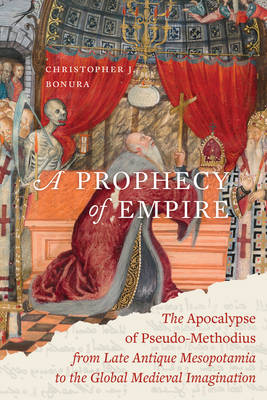
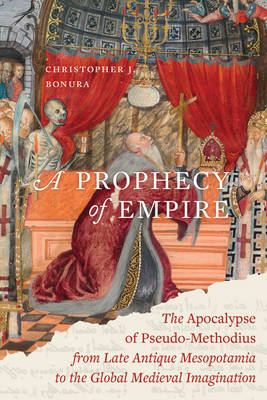
A Prophecy of Empire
The Apocalypse of Pseudo-Methodius from Late Antique Mesopotamia to the Global Medieval Imagination Volume 15
Christopher J Bonura
€ 161,45
+ 322 punten
Omschrijving
The Apocalypse of Pseudo-Methodius was one of the medieval world's most popular and widely translated texts. Composed in Syriac in Mesopotamia in the seventh century, this supposed revelation presented a new, salvific role for the Roman Empire, whose last emperor, it prophesied, would help bring about the end of the ages. In this first book-length study of Pseudo-Methodius, Christopher J. Bonura uncovers the under-appreciated Syriac origins of this apocalyptic tract, revealing it as a remarkable response to political realities faced by Christians living under a new Islamic regime. Tracing the spread of Pseudo-Methodius from the early medieval Mediterranean to its dissemination via the printing presses of early modern Europe, Bonura then demonstrates how different cultures used this new vision of empire's role in the end times to reconfigure their own realities. The book also features a new, complete, and annotated English translation of the Syriac text of Pseudo-Methodius.
Specificaties
Betrokkenen
- Auteur(s):
- Uitgeverij:
Inhoud
- Aantal bladzijden:
- 372
- Taal:
- Engels
- Reeks:
Eigenschappen
- Productcode (EAN):
- 9780520418257
- Verschijningsdatum:
- 4/11/2025
- Uitvoering:
- Hardcover
- Formaat:
- Genaaid
- Afmetingen:
- 150 mm x 230 mm
- Gewicht:
- 657 g


Alleen bij Standaard Boekhandel
+ 322 punten op je klantenkaart van Standaard Boekhandel
Cadeau

AANGERADEN


Beoordelingen
We publiceren alleen reviews die voldoen aan de voorwaarden voor reviews. Bekijk onze voorwaarden voor reviews.