


- Afhalen na 1 uur in een winkel met voorraad
- Gratis thuislevering in België vanaf € 30
- Ruim aanbod met 7 miljoen producten
- Afhalen na 1 uur in een winkel met voorraad
- Gratis thuislevering in België vanaf € 30
- Ruim aanbod met 7 miljoen producten





€ 152,95
+ 305 punten
Omschrijving
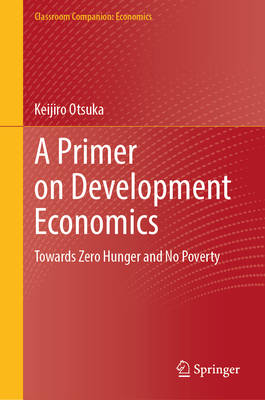
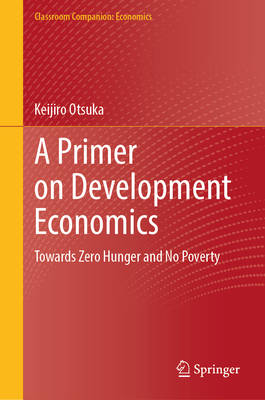
This book explores how to achieve the first two Sustainable Development Goals--Zero Hunger and No Poverty--through effective development strategies in agriculture and industry. To eliminate hunger, increased food production is essential. To reduce poverty, expanding job opportunities through industrialization is key. The author presents a consistent analytical framework supported by a rich collection of case studies conducted over the past 40 years in Asia and Sub-Saharan Africa. Written in plain language, the book is accessible to readers without a background in economics, making its insights widely applicable and easy to grasp. Three fundamental development strategies are proposed for poor economies:
- Innovation through Learning: Learning technology and management practices from advanced countries, often with necessary adaptation to local conditions and resource endowments, is a fundamental first step for development. Investment in Human Capital: Strengthening the capabilities of key decision-makers--farmers in agriculture and managers in industry--is crucial for driving progress. Training and Knowledge Spillovers: To internalize the benefits of innovation, training programs led by governments or producer collectives are essential for spreading new knowledge effectively.
Specificaties
Betrokkenen
- Auteur(s):
- Uitgeverij:
Inhoud
- Aantal bladzijden:
- 215
- Taal:
- Engels
- Reeks:
Eigenschappen
- Productcode (EAN):
- 9789819553969
- Verschijningsdatum:
- 15/04/2026
- Uitvoering:
- Hardcover
- Formaat:
- Genaaid
- Afmetingen:
- 166 mm x 237 mm
- Gewicht:
- 489 g


Alleen bij Standaard Boekhandel
+ 305 punten op je klantenkaart van Standaard Boekhandel
CADEAU

AANGERADEN


Beoordelingen
We publiceren alleen reviews die voldoen aan de voorwaarden voor reviews. Bekijk onze voorwaarden voor reviews.