


- Afhalen na 1 uur in een winkel met voorraad
- Gratis thuislevering in België vanaf € 30
- Ruim aanbod met 7 miljoen producten
- Afhalen na 1 uur in een winkel met voorraad
- Gratis thuislevering in België vanaf € 30
- Ruim aanbod met 7 miljoen producten





€ 30,95
+ 61 punten
Omschrijving
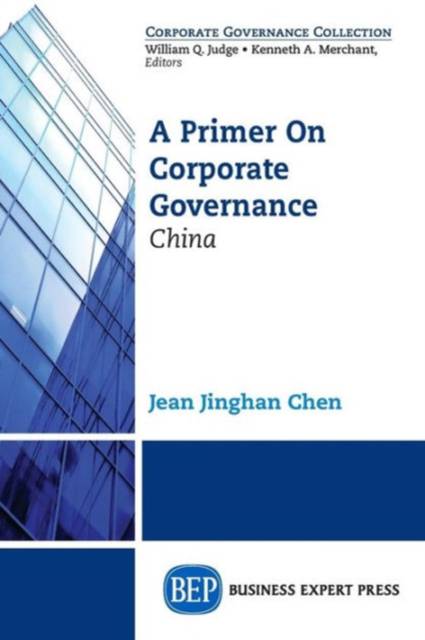
Since its opening up and economic reforms in 1979, China has undergone tremendous economic growth and social development, with a ten percent real gross domestic product growth per year on average through 2013. In spite of such an accomplishment, the current economic growth model in China, which is mainly triggered by the export-led policy and the huge government investment, has been challenged by potential external and internal risks, which do not support sustainable economic growth in the long run. In this book, the author comprehensively reviews the corporate governance practices in China, identifying the major problems within such practices. It is contended that these problems have been seen as the major challenges facing the Chinese economy, and further, that the current weakness of corporate governance practices in China can be ascribed, to a great extent, to the incompleteness and weakness of law enforcement.
Specificaties
Betrokkenen
- Auteur(s):
- Uitgeverij:
Inhoud
- Aantal bladzijden:
- 122
- Taal:
- Engels
Eigenschappen
- Productcode (EAN):
- 9781631572289
- Verschijningsdatum:
- 30/06/2015
- Uitvoering:
- Paperback
- Formaat:
- Trade paperback (VS)
- Afmetingen:
- 152 mm x 229 mm
- Gewicht:
- 190 g


Alleen bij Standaard Boekhandel
+ 61 punten op je klantenkaart van Standaard Boekhandel
Cadeau

AANGERADEN


Beoordelingen
We publiceren alleen reviews die voldoen aan de voorwaarden voor reviews. Bekijk onze voorwaarden voor reviews.