


- Afhalen na 1 uur in een winkel met voorraad
- Gratis thuislevering in België vanaf € 30
- Ruim aanbod met 7 miljoen producten
- Afhalen na 1 uur in een winkel met voorraad
- Gratis thuislevering in België vanaf € 30
- Ruim aanbod met 7 miljoen producten





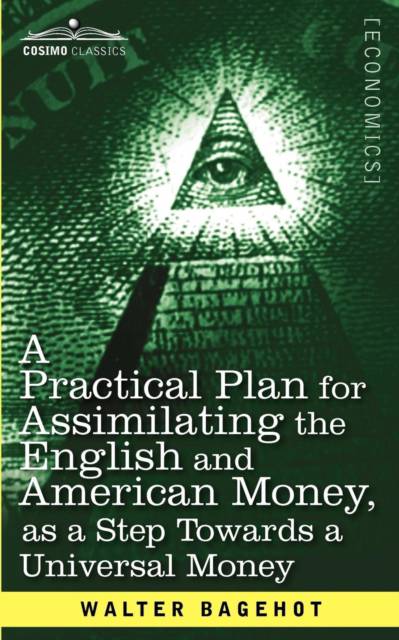
A Practical Plan for Assimilating the English and American Money, as a Step Towards a Universal Money
Walter Bagehot
Paperback | Engels
€ 17,95
+ 35 punten
Uitvoering
Eenvoudig bestellen
Veilig betalen


Gratis thuislevering vanaf € 30 (via bpost)
Gratis levering in je Standaard Boekhandel
Omschrijving
Walter Bagehot addresses the issue of a universal currency in A Practical Plan for Assimilating the English and American Money, as a Step Towards a Universal Money. He presents the issue of differing currency among trading nations, which allows for dishonest exchanges. As an editor of The Economist, Bagehot presents an intellectual argument for an international coinage by citing the issues it would solve, while including its limitations and discussing the practicality of his plans. British journalist WALTER BAGEHOT(1826-1877) was an early editor of The Economist and was among the first economists to discuss the concept of the business cycle. He is also the author of The English Constitution (1867), Physics and Politics (1872), and The Postulates of English Political Economy (1885).
Specificaties
Betrokkenen
- Auteur(s):
- Uitgeverij:
Inhoud
- Aantal bladzijden:
- 100
- Taal:
- Engels
Eigenschappen
- Productcode (EAN):
- 9781616407421
- Verschijningsdatum:
- 1/11/2012
- Uitvoering:
- Paperback
- Formaat:
- Trade paperback (VS)
- Afmetingen:
- 127 mm x 203 mm
- Gewicht:
- 117 g


Alleen bij Standaard Boekhandel
+ 35 punten op je klantenkaart van Standaard Boekhandel
CADEAU

AANGERADEN


Beoordelingen
We publiceren alleen reviews die voldoen aan de voorwaarden voor reviews. Bekijk onze voorwaarden voor reviews.