


- Afhalen na 1 uur in een winkel met voorraad
- Gratis thuislevering in België vanaf € 30
- Ruim aanbod met 7 miljoen producten
- Afhalen na 1 uur in een winkel met voorraad
- Gratis thuislevering in België vanaf € 30
- Ruim aanbod met 7 miljoen producten





€ 34,95
+ 69 punten
Omschrijving
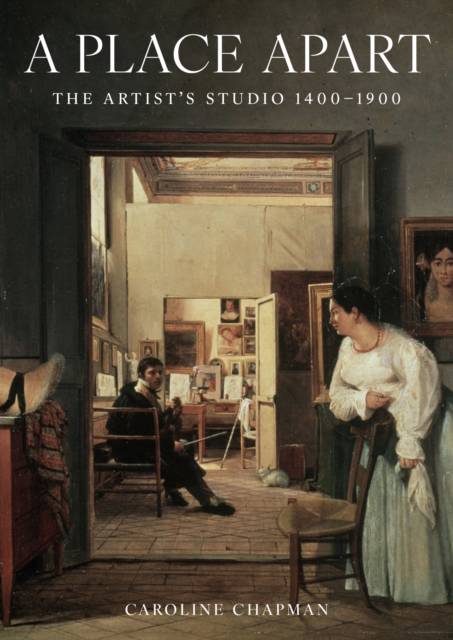
Exotic lair, freezing garret or convivial rendezvous, artists' studios reflect their personalities, the way they work, their dreams and obsessions. Some are battlegrounds where hopes are dashed and original concepts fail dismally in their execution. A few artists became celebrities and flaunted their success by furnishing huge studios with exotic objects, while others lived in a haze of opium in squalid tenements in Montmartre. Spanning 500 years of Western art history from 1400 to 1900, and accompanied by glorious images, Caroline Chapman describes the skilful techniques employed in a Renaissance workshop; Michelangelo's agony and ecstasy while painting the Sistine Chapel; the murky world of the artist's model; the looting by Napoleon of Veronese's masterpiece; Van Gogh's wretched first studio; how Géricault painted his Raft of the Medusa; the way Rodin worked in his plaster-spattered environment and the ateliers of the Impressionists in Paris.
Specificaties
Betrokkenen
- Auteur(s):
- Uitgeverij:
Inhoud
- Aantal bladzijden:
- 168
- Taal:
- Engels
Eigenschappen
- Productcode (EAN):
- 9781911397687
- Verschijningsdatum:
- 29/02/2024
- Uitvoering:
- Hardcover
- Formaat:
- Genaaid
- Afmetingen:
- 208 mm x 234 mm
- Gewicht:
- 884 g


Alleen bij Standaard Boekhandel
+ 69 punten op je klantenkaart van Standaard Boekhandel
Cadeau

AANGERADEN


Beoordelingen
We publiceren alleen reviews die voldoen aan de voorwaarden voor reviews. Bekijk onze voorwaarden voor reviews.