


- Afhalen na 1 uur in een winkel met voorraad
- Gratis thuislevering in België vanaf € 30
- Ruim aanbod met 7 miljoen producten
- Afhalen na 1 uur in een winkel met voorraad
- Gratis thuislevering in België vanaf € 30
- Ruim aanbod met 7 miljoen producten




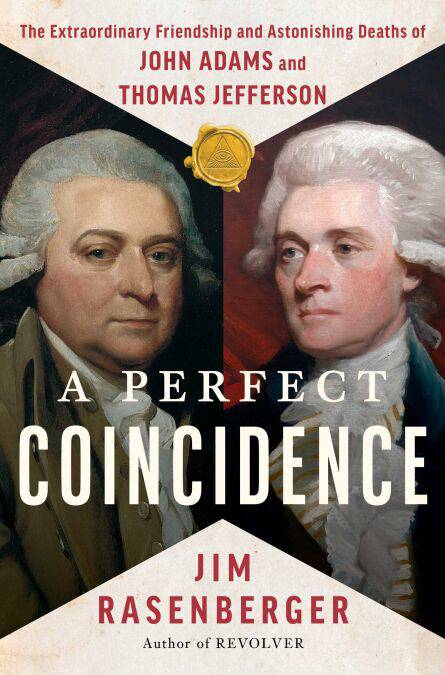
A Perfect Coincidence E-BOOK
The Extraordinary Friendship and Astonishing Deaths of John Adams and Thomas Jefferson
Jim Rasenberger
E-book | Engels
€ 19,00
+ 19 punten
Omschrijving
A revelatory new look at the long and complex relationship between Founding Fathers Thomas Jefferson and John Adams, who died on the same historic day—July 4, 1826, exactly fifty years after the adoption of the Declaration of Independence.
In creating the Declaration of Independence, approved by the Second Continental Congress on July 4, 1776, Jefferson and Adams collaborated in what Jefferson later called “a perfect coincidence” of thought and action. Exactly fifty years later, in the most perfect coincidence in American history, they died within hours of each other—both former US presidents, both essential architects of the nation.
This book explores those two remarkable coincidences and the fifty-year relationship in between. Thomas Jefferson, a charismatic Southern aristocrat, and John Adams, a cantankerous Yankee, were once close friends, then bitter political enemies. In the last years of their lives, they reconciled and resumed an extraordinary correspondence, totaling some 380 letters that continued until their final months.
Other than the Declaration of Independence, the greatest symbolic gift either man gave his country may have been dying together on that fateful Independence Day in 1826. For many Americans, this moment was viewed as a “visible and palpable” manifestation of “Divine favor”—as one contemporary put it—and fueled the conviction that America was a land of miracles.
Published to coincide with the 250th anniversary of the United States—and the 200th anniversary of the men’s deaths—this book is essential reading for anyone interested in presidential biographies, the Revolutionary War era, and the enduring power—yet terrible fragility—of American democracy.
In creating the Declaration of Independence, approved by the Second Continental Congress on July 4, 1776, Jefferson and Adams collaborated in what Jefferson later called “a perfect coincidence” of thought and action. Exactly fifty years later, in the most perfect coincidence in American history, they died within hours of each other—both former US presidents, both essential architects of the nation.
This book explores those two remarkable coincidences and the fifty-year relationship in between. Thomas Jefferson, a charismatic Southern aristocrat, and John Adams, a cantankerous Yankee, were once close friends, then bitter political enemies. In the last years of their lives, they reconciled and resumed an extraordinary correspondence, totaling some 380 letters that continued until their final months.
Other than the Declaration of Independence, the greatest symbolic gift either man gave his country may have been dying together on that fateful Independence Day in 1826. For many Americans, this moment was viewed as a “visible and palpable” manifestation of “Divine favor”—as one contemporary put it—and fueled the conviction that America was a land of miracles.
Published to coincide with the 250th anniversary of the United States—and the 200th anniversary of the men’s deaths—this book is essential reading for anyone interested in presidential biographies, the Revolutionary War era, and the enduring power—yet terrible fragility—of American democracy.
Specificaties
Betrokkenen
- Auteur(s):
- Uitgeverij:
Inhoud
- Aantal bladzijden:
- 496
- Taal:
- Engels
Eigenschappen
- Productcode (EAN):
- 9781668003442
- Verschijningsdatum:
- 11/05/2026
- Uitvoering:
- E-book
- Beveiligd met:
- Adobe DRM
- Formaat:
- ePub


Alleen bij Standaard Boekhandel
+ 19 punten op je klantenkaart van Standaard Boekhandel
AANGERADEN


Beoordelingen
We publiceren alleen reviews die voldoen aan de voorwaarden voor reviews. Bekijk onze voorwaarden voor reviews.